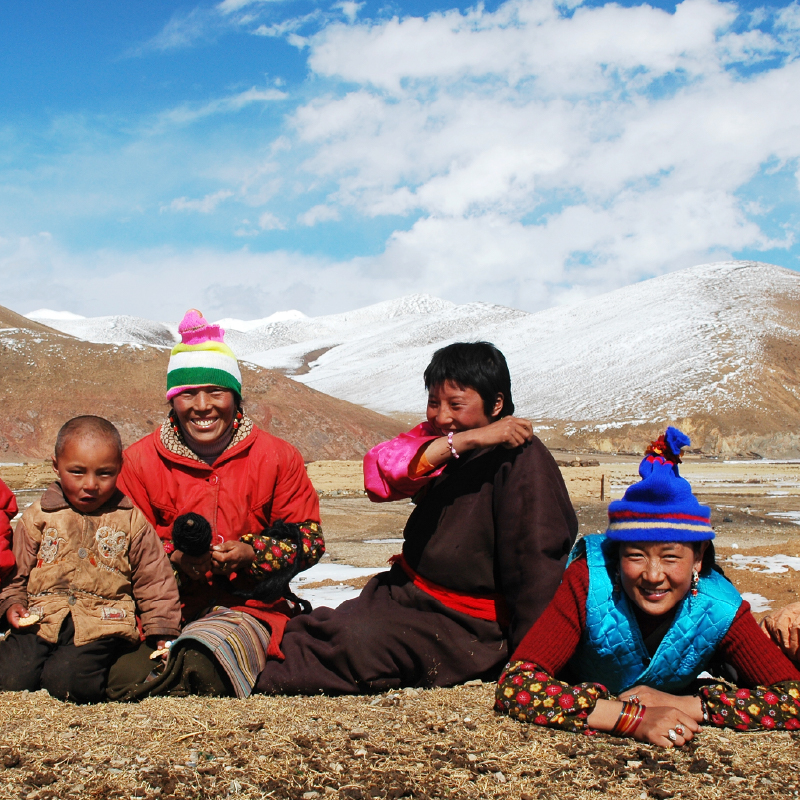
Tibetan Plateau

A Glimpse into Tibetan Customs
DEC
1-31
Writer Lark

Note: This month, we will occasionally post additional extended content on our Facebook page on Mission Days. If you see a small FB icon next to the title, feel free to visit our page to view the supplemental post.

Tibetan Customs

Listening to the Breath of Another World
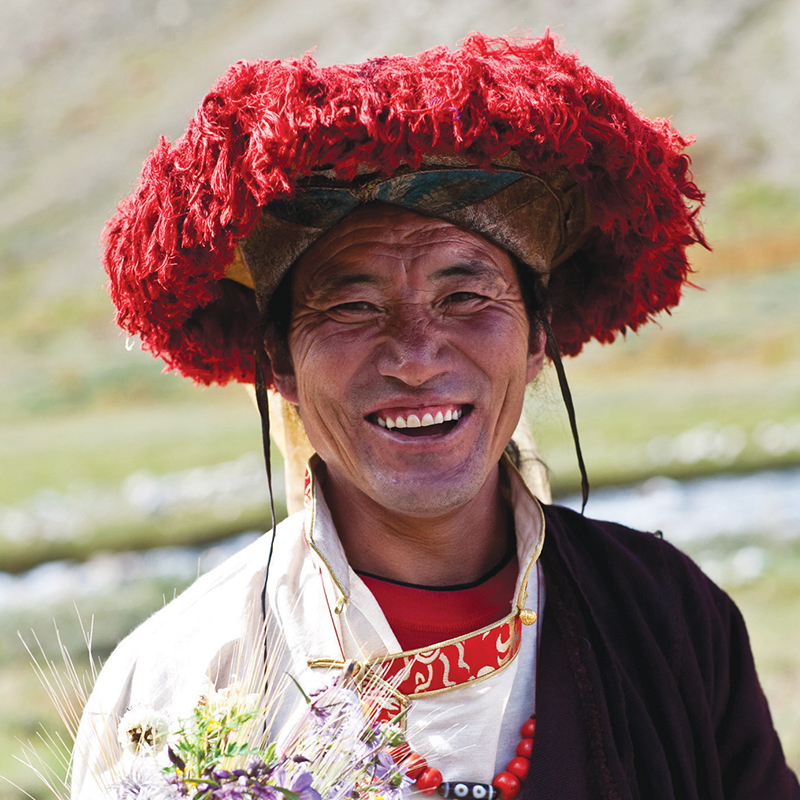


The world is vast, and the ways humans live are wonderfully diverse. As we explore the customs of Tibet, we may encounter practices that seem astonishing or unfamiliar. Yet, as anthropologist Claude Lévi-Strauss observed during his fieldwork in the Amazon, many cultures that appear “backward” or “superstitious” through the lens of modern society are, in fact, simply different in how they think and organize social life. Every culture represents a people’s thoughtful response to their circumstances—a choice shaped by reflection and experience, with its own internal logic and system of understanding.

Lévi-Strauss’s insight reminds us to set aside notions of “progress” and “primitiveness,” to appreciate the rich diversity of humanity, and to seek the shared human spirit that connects us all. From understanding comes gentleness—and from gentleness, true respect.


Tibetan Religion and Festivals

Moments of Joy on the Roof of the World
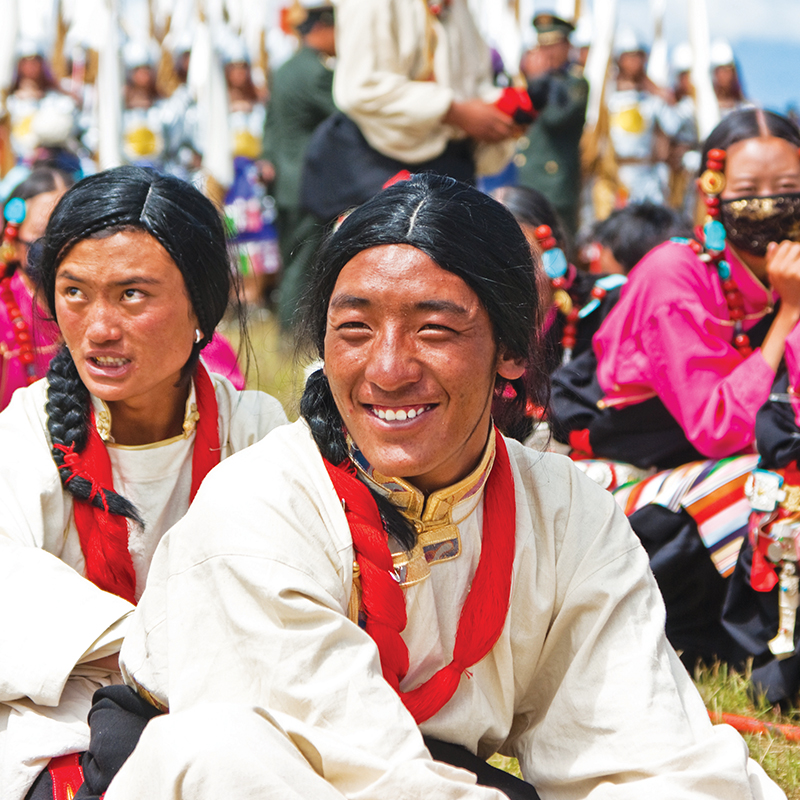


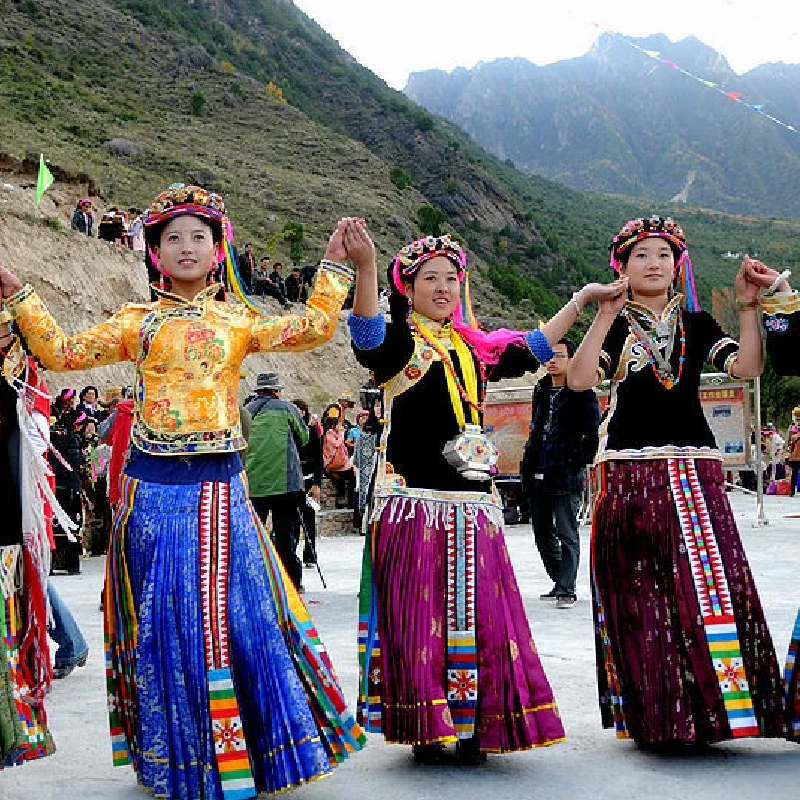
Across the vast and silent skies of the Tibetan plateau, people live scattered among the winds and snows, each family dwelling in its own solitude. But when festival days arrive, laughter breaks through the stillness. Hand in hand, they join the circle of the Guozhuang dance, rekindling a deep sense of unity and belonging. No temple bells are needed—Tibetans from near and far seem to gather as if by shared instinct. These moments of celebration flash like sparks against the weight of daily toil—brief but bright, fulfilling the heart’s twin longing: reverence for the divine and warmth in human fellowship.


Shoton Festival

Celebrating the End of the Monks’ Retreat

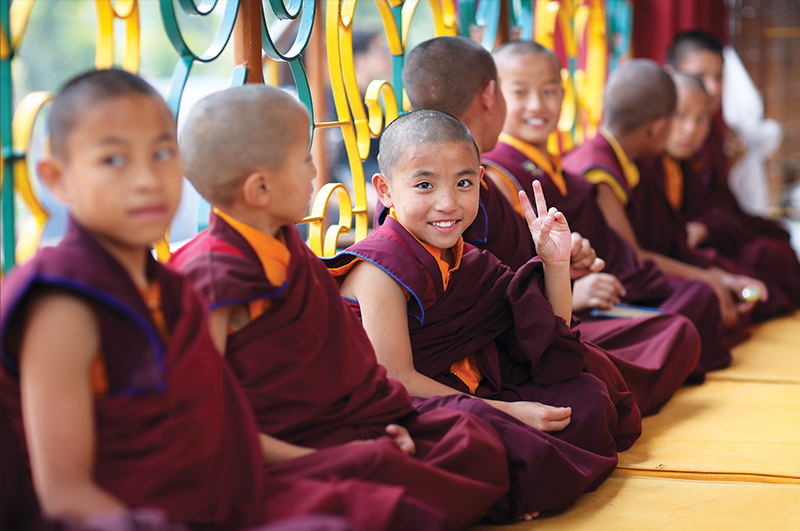
During the summer months, when plants and insects flourish, Tibetan monks observe a three-month retreat known as the Buddhist “Rains Retreat,” staying indoors to avoid harming living things. On the 30th day of the sixth lunar month, the monks emerge, and the faithful gather to welcome them with offerings of yogurt—hence the name Shoton, “yogurt festival.” Mothers bring hand-sewn clothes and socks to their sons who are monks, while the day bursts into color with Tibetan opera (cham), folk games, and lively marketplaces.

Thangka Unveiling Festival

A Sunlit Offering to the Buddha

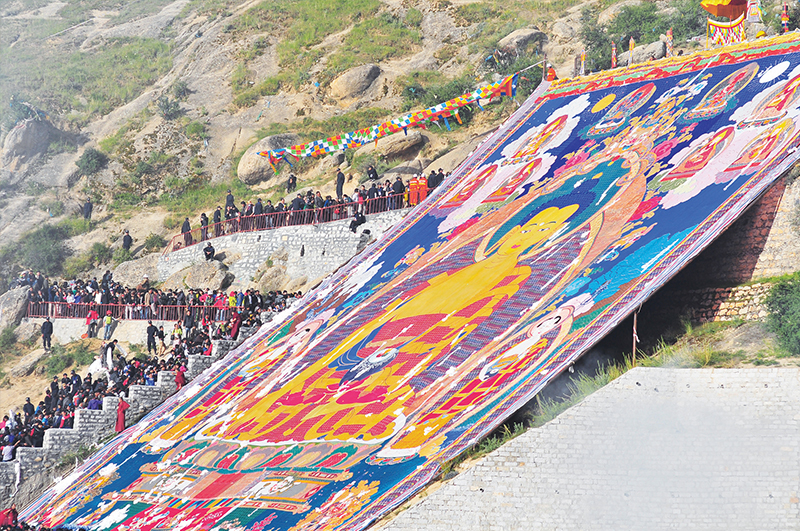
At Drepung Monastery near Lhasa, the Shoton Festival reaches its peak with the dramatic unveiling of a colossal thangka—seventeen stories tall and stretching 60 by 47 meters. Over a hundred monks work in unison to carry and unfurl the sacred image, allowing both sunlight and devotion to fall upon it. Pilgrims flood the hillside to witness the moment when sunlight bathes the image of the Buddha, much like crowds gathering beneath the Taipei 101 tower on New Year’s Eve.

Editor’s Note: Each monastery observes its own Thangka Unveiling date.


Butter Lamp Festival

The Monks’ Artistry in Light

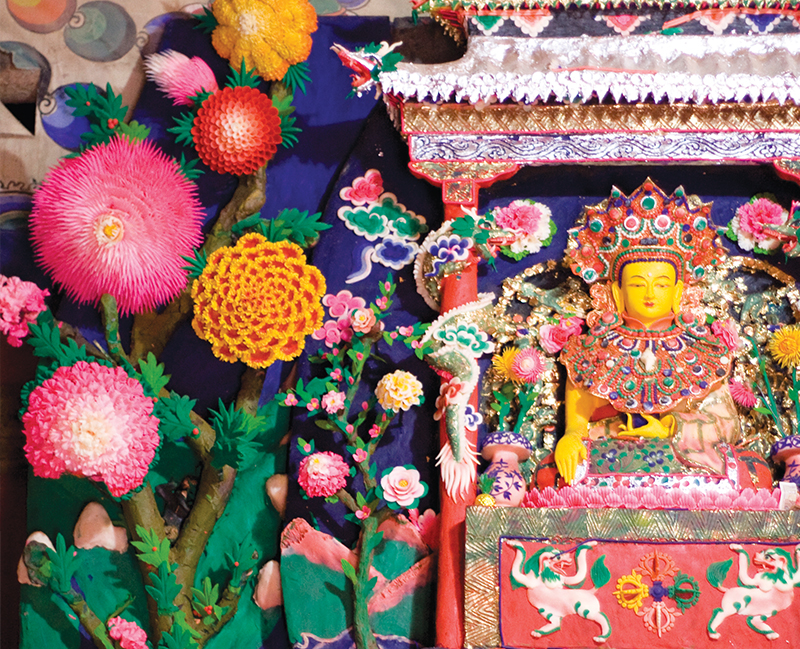
On the fifteenth day of the first lunar month, Kumbum Monastery glows with butter sculptures—intricate creations of birds, beasts, flowers, deities, and entire story scenes, all modeled from yak butter. Hundreds of butter lamps surround them, flickering gently in the cold night air—Tibet’s own version of the Lantern Festival. Young monks hurry about with oil pots, carefully refilling the lamps so every detail of the butter art can shine through the night.

Editor’s Note: Butter sculptures—offerings said to have begun when monks shaped flowers that would never fade—are, along with mural painting and appliqué embroidery, among Kumbum Monastery’s three great arts.
In the early 20th century, Frank Doggett Learner and his passionate companions—missionaries from Xining, Tibetan evangelists, and Han Chinese Bible distributors—set up a gospel bookstall at the Butter Lamp Festival year after year. Amid the throngs, they shared the light of God through bilingual Tibetan-Chinese tracts and illustrated leaflets. Thousands of copies of the Scriptures found their way into the hands of travelers from many regions, carrying the message of hope to faraway lands.


Tibetan Farming and Herding

Bells on the Pastures × Songs in the Valleys


In Guns, Germs, and Steel, Jared Diamond notes that one of the keys to humanity’s ability to settle, develop technology, and raise larger families lies in agriculture and animal husbandry. Yet to sustain such a way of life, land and people alone are not enough—what’s needed are animals that can be domesticated and crops that can thrive.

Come and explore the grasslands and river valleys that sustain Tibetan life, where people live in harmony with the plants and animals they have tamed. Scholars have discovered that Tibetans carry a strand of DNA inherited from an extinct ancient human species, allowing them to resist altitude sickness and adapt to low-oxygen environments with remarkable efficiency. But another secret behind their survival—one that helped them build settlements high above the clouds, from 2,500 to 5,000 meters—lies in something surprisingly small: a seed?.


Tibetan Art and Culture

The Art of Regong
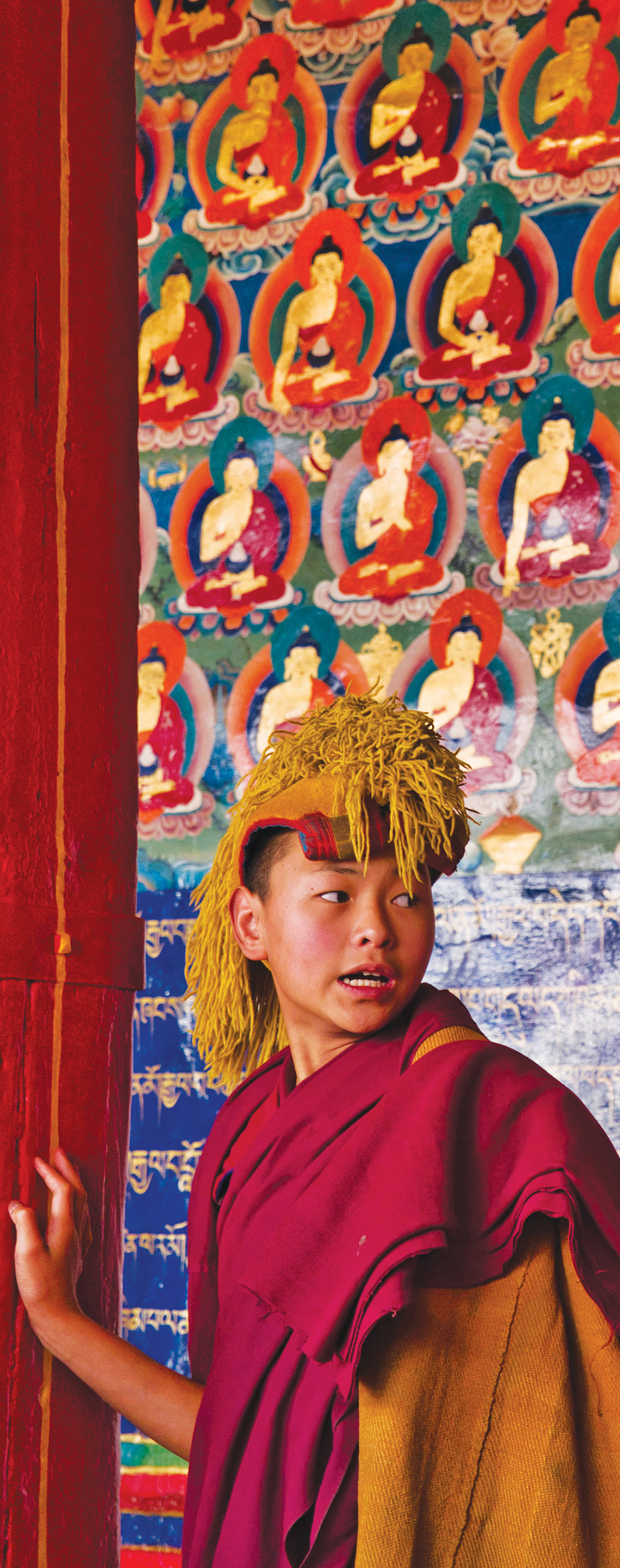

Europe has its Michelangelo, Rodin, and Notre-Dame Cathedral; Tibet, too, has its own masters—the artisans of Regong—whose brushes and chisels have shaped the spiritual imagination of the plateau.

In the northeastern corner of the Tibetan Plateau, where the Yellow River curves in its first great bend, flows the serene Longwu River through a city called Tongren—known in Tibetan as Regong, meaning “the golden valley.” From this place emerged Regong Art, the heart of Tibetan aesthetics. Its thangkas radiate sacred beauty; its applique embroidery glows with layered texture; its carvings and temple architecture reveal devotion in every curve and color.

Regong art began as a monastic craft—holy work passed down within the monasteries of five villages in Tongren. In those days, nearly every household had a son who took vows, and once ordained, he apprenticed under a master painter or carver. Each stroke of the brush, each carving of the blade, was both worship and discipline. These monasteries became “schools of sacred art,” nurturing generations of craftsmen whose hands carried quiet brilliance.

Today, Regong artisans travel far beyond their valley—to Tibet, Mongolia, India, and Nepal—adorning temples with their intricate work: sanctuaries and altars, beams and pillars, doors and eaves, ceilings and cornices. They pause for hours to perfect a single gaze of the Buddha; they labor for days to carve the hidden beauty of a ceiling no one may ever see.

Let us enter these artistic villages in spirit, to glimpse the “Michelangelos of Tibet”—and to pray for these artists and their communities, long immersed in a world of religious imagery, that they may come to know the true Creator whose glory surpasses every work of human hands.


Faces of Tibet

More Than You Think


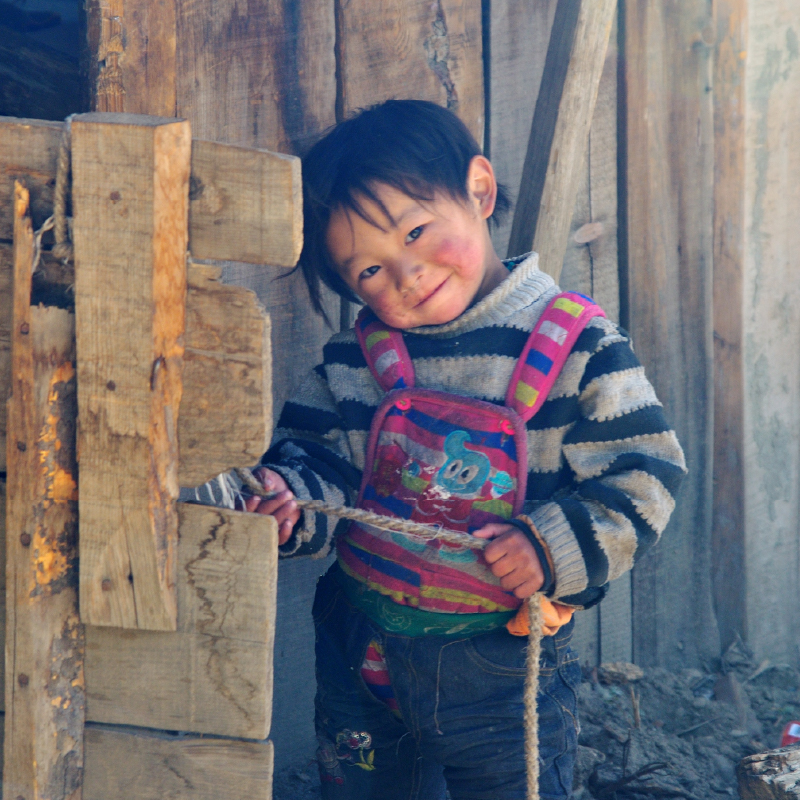
Not every Tibetan lives amid Lhasa’s temple spires or the sweeping grasslands filled with yaks. Some make their homes deep in the mountains of western Sichuan. Some spend their lives tending salt fields, living in rhythm with the wind and sun. Some wear crosses and worship Christ. Some dig not for cordyceps but for lingzhi mushrooms. Others don white prayer caps, working the markets by day and turning toward Mecca in prayer. And some—are not in Tibet at all.

Tibetan culture rises and falls like the mountain ridges themselves—diverse in landscape, language, faith, and way of life. Across this vast land are many extraordinary faces, each revealing a story waiting to be found.


The Ecology of Tibet

Signs of Life Above the Clouds


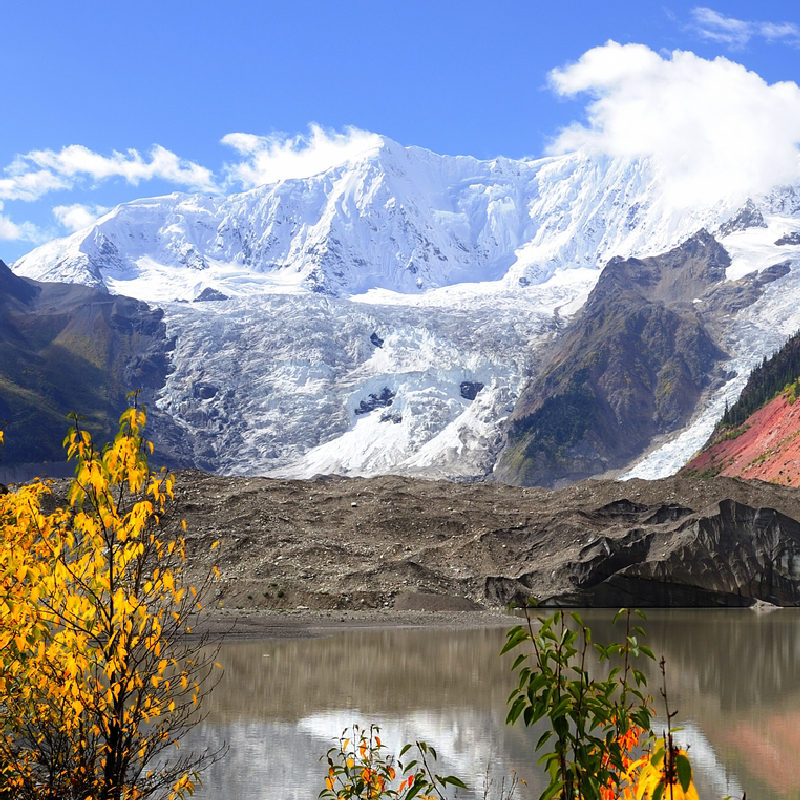
Names like Chinghai Hoh Xil and the Changtang Nature Reserve sound distant and mysterious. These are lands where the world begins above 4,500 meters, an altitude where oxygen is barely 40% of what it is at sea level, and every human breath feels like a challenge.

The plateau’s moods shift without warning: four seasons can pass in a single day. One moment the sky is brilliant and still; the next, snow whirls out of nowhere. Yet in this place where human life struggles to endure, Tibetan antelopes leap effortlessly, wild yaks roam with steady pride, and snow leopards slip like shadows across the ridges. Here, in the thin air, rare and hardy creatures mate, bear young, and keep life going on the roof of the world.

This wilderness once captured the lifelong fascination of the renowned biologist George Schaller, who returned here year after year. His research and advocacy led to the creation of the Changtang Nature Reserve, which put an end to large-scale poaching of Tibetan antelope.

But even this land, so far removed from civilization, has not escaped the reach of climate change. Wetlands are drying up; grasslands shrink by 3–5% each year. The shallow roots of alpine meadows can no longer hold the soil, and fierce dust storms rise from the barren ground.

And yet, astonishingly, even in this so-called “forbidden zone of life,” people remain. Who are they? What stories lie behind their endurance? In the days ahead, our prayers will climb these high mountains—seeking traces of life hidden in the wind and snow.


Young girl on pilgrimage with her mother, her forehead marked with dust from repeated prostrations.

A Lifelong Dream

Pilgrims

01Dec

What is your lifelong dream? To travel the world? To buy a home?

For many Tibetans, there is only one answer—to make a pilgrimage to Lhasa’s Jokhang Temple and complete one hundred thousand full-body prostrations. Inside the temple stands a sacred image of the Buddha at age twelve, believed to grant merit to those who bow before it. Tradition holds that by finishing all 100,000 prostrations, one may be reborn into a better life—or even escape the cycle of suffering and rebirth altogether.

Outside the Jokhang Temple, 11-year old Dawa crouches among the beggars. He has little time to prostrate himself; most of his day is spent begging and competing for territory. “I’m doing this for my mother,” he says. “She’s very sick. My father wants me to finish her vow—to complete 100,000 prostrations on her behalf.” Three years have passed, and Dawa has yet to return to his home hundreds of kilometers away. He no longer knows if his mother is still alive.

For some pilgrims, the journey begins at home—three steps, one full bow, body stretched flat against the dust. Families or villagers often travel together. Some serve as suppliers, pulling carts ahead with food and tents, then returning to bow through the same stretch of road. Both the bowing pilgrims and those who support them share equally in the merit.

Not all pilgrims complete the journey. If someone dies along the way, companions may carry a tooth to Jokhang Temple and place it in the pillar before the Buddha—signifying that the pilgrim has at last reached his presence. They do not know where rebirth will lead them, only hoping in this life to behold the holy place that gives them hope.

Prayer

Heavenly Father, many Tibetans devote their lives to pilgrimage, bowing again and again to atone for sin and earn merit for themselves or their loved ones. Yet You have already shown them a love far deeper than any human striving can reach. Compassionate Father, You did not wait for us to become perfect or righteous before extending Your hand of salvation. You sent Your beloved Son, Jesus Christ, to walk the hardest road of all—to bear our punishment and guilt, offering His spotless life to set us free from sin and death and to prepare an eternal dwelling for us. May the Tibetan people come to know and embrace this free gift of grace. Strengthen their hearts with faith to become pilgrims of heaven, journeying steadfastly toward the everlasting home You have prepared. In the name of Jesus Christ we pray, Amen.

Circling the Sacred Mountain

Mountain Worship

02Dec

The wind howls, and loose stones bruise every step. Pilgrims inch forward on their knees, moving around the sacred mountain one full prostration at a time.

Ngari, in western Tibet, is the highest and most rugged region of the plateau. Roads are little more than faint tire marks etched into the earth—impassable without an experienced jeep driver who knows every curve and crevice. Yet no danger can deter the faithful from their pilgrimage around the mountain, bowing with each stride.

For Tibetans, catching even a glimpse of Mount Kailash’s peak through the shifting clouds is a rare blessing. Revered in Buddhism, Hinduism, and Jainism alike, this mountain is believed to stand at the center of the world. One circuit around it is said to save a person from rebirth in lower realms; ten circuits to cleanse the sins of this life; a hundred to attain Buddhahood itself.

From childhood, Tibetans learn to revere and fear the mountains. The snow they hold nourishes pastures, yet the same storms can destroy homes—a reminder of the mountain god’s power to bless or punish. Though this belief in nature spirits contradicts Buddhism’s “non-theistic” doctrine, Tibetan Buddhism has absorbed and reinterpreted it as a path of merit and penance.

Ironically, this awe of the sacred mountains has also become an unintentional form of environmental protection. Known as the “Third Pole” of the world, Tibet’s fragile ecosystem depends on restraint. Even without written environmental laws, Tibetans faithfully observe ancient taboos around holy mountains and lakes—never hunting, cutting trees, or damaging grasslands—thus helping to preserve the purity of the plateau for all humanity.

Prayer

Heavenly Father, by Your command the heavens were made, and by the breath of Your mouth all things came to be. You have said, “You formed the mountains by Your power; every beast of the forest is Mine, and the cattle on a thousand hills” (Psalm 65:6b; 50:10–11). We thank You for giving the vast and majestic plateau to the Tibetan people, and for the reverence with which they have long cared for its lakes and mountains. May they come to know that the Creator, Owner, and Keeper of this land is You alone. Move their hearts to bring their gratitude and worship—not to the mountains—but to You, the Lord who gave them their home and makes all things grow. Restore their intimate fellowship with You, for the true sanctuary is not found on the mountaintop but within the heart that belongs to You. Raise up Tibetans who fear Your name and govern this land according to Your will. In the name of Jesus Christ we pray, Amen.

“In the deep valleys of southern Tibet, vultures are fewer, so people practice water burials, offering the deceased’s body to the fish.

Who Will See Me Off?

The Meaning of Sky Burial

03Dec

On the Tibetan Plateau, sky burial masters are the final companions of the dead—and the vultures their partners in this sacred task. After the corpse bearers lay the body on the burial platform, they light smoke as a signal between man and bird. The vultures, recognizing the cue, circle overhead and wait in silence for the master to begin his work.

Tibetans believe that only when the body is completely consumed is a death considered “good.” If the vultures refuse to eat, it means the deceased was burdened by sin. To help the birds finish the meal and bring comfort to the family, the burial master chants while grinding the bones with a stone pestle, making them easier for the vultures to swallow.

To earn a living, Dorje apprenticed as a sky-burial master. He says, “Depending on the family’s means, I might receive a few hundred RMB for sending someone off.” Jewelry or ornaments left on the deceased belong to him. His father once told him solemnly, “The scriptures say this is good karma—if you do it well, you save yourself too.” Dorje has held to his father’s teaching ever since—helping even those who have nothing to give.

When some tourists questioned the practice, a monk replied simply, “Isn’t cremation just as cruel? It’s only a different custom. If the body turns to ashes in fire, why not let the birds rejoice instead?”

For Tibetans, sky burial is a final act of generosity—a bodily offering to sustain other living beings. To feed the hungry vultures is to spare the lives they might otherwise take. It is both compassion and merit, a last gift before leaving this world. In the deep valleys of southern Tibet, where vultures are scarce, bodies are instead offered to fish through water burials.

Prayer

Heavenly Father, in the pain of losing those we love, when hearts are torn by parting and sorrow feels unending, people wrestle with grief and search for the meaning and destination of life itself. Lord, draw near to the Tibetan people as they face the impermanence and suffering of this world. Stretch out Your hand to comfort the brokenhearted, that they may experience the peace that sustains them through every season—whether of mourning or of joy. As bereaved families and sky-burial masters ponder life and death, sorting through love, loss, and longing, may they encounter Your tender presence and hear Your gentle response. Bless the believers in Tibet with wisdom and warmth as they accompany those who grieve, so that through their compassion, others may glimpse the living hope found in You. In the name of Jesus Christ we pray, Amen.

Lives Like the Birds

Begging and Almsgiving

04Dec

After a car accident claimed her husband and daughter, Drolma was left with only her one-year-old child. Every day, she rides a bus for three hours to Shigatse’s Palcho Monastery to beg. “Fifteen RMB a day covers meals, bus fare, and medicine,” she says. “If I get more than that, I donate the rest to the temple.”

Beggars have long been part of the Tibetan landscape. On the streets of Barkhor outside Lhasa’s Jokhang Temple, they move alongside the endless stream of pilgrims and worshippers circling the sacred site. At night, when the vendors pack up their stalls, the same streets become a battleground as beggars and traveling pilgrims fight for a place to sleep. By day, beggars line up outside restaurants to collect leftover food scraps; once dried, these become their rations for the winter.

Life on the plateau is harsh. Natural disasters, earthquakes, and erratic weather can strip people of everything overnight. In the past, when herds froze or died from hailstorms, nomadic families on the Qinghai-Tibet Plateau had no choice but to take to the road and beg. In farming villages where harvests were meager, residents sometimes set out together after the busy season to beg for food reserves. Others, weary of the forced corvée labor by those in power*, fled their homes to become wanderers without shelter or rest.

Buddhist culture in Tibet embraces both begging and almsgiving—those who give gain merit, while those who receive complete the giver’s virtue. Yet one wonders: what of the street children who never had the chance to go to school? In the familiar alleys of Lhasa, will they ever find another path forward?

*During the Yuan dynasty, local households near postal relay stations were compelled to provide unpaid labor, livestock, and lodging for officials and couriers.

Prayer

Heavenly Father, every life bears Your image and purpose, created as a gift to the world. For Tibetans driven to the streets by tragedy or despair, may they hear the good news of Your Jubilee—the God who restores dignity and gives new beginnings. Remind them that their worth is found not in circumstance but in being Your beloved children. Raise up systems of mutual care that bring lasting renewal beyond temporary aid. Grant compassion and wisdom to those who serve the poor, that their work may create real opportunities for independence and education. In the name of Jesus Christ we pray, Amen.

One Wife, Many Husbands

Family on the Edge of Survival

05Dec

“Would you choose monogamy or a polyandrous marriage?” Without hesitation, Pema answers, “Of course it’s better for brothers to share one wife. Otherwise, when the family divides, we’d lose even our house!”

The salty aroma of the butter tea fills the kitchen as she stirs roasted barley flour, glancing toward the mountain ridge. When the sun begins to sink, her husbands will return one by one.

“A family divided makes beggars of them all,” she quotes a Tibetan proverb, capturing the hard truth behind polyandry. On this harsh plateau, dividing land leaves each son with too little to survive. A small household lacks laborers; if a man goes hunting or is conscripted, his parents, wife, and children are left unprotected.

In Pema’s family, the eldest plows the fields, the second drives cattle to the hills, and the youngest trades yak wool for salt and supplies. Pema keeps the household running, uniting the family as she treats each husband with fairness, while the men share work and fatherhood—raising the children together without concern for bloodlines.

Life on the “roof of the world” demands creativity to survive. For Tibetans, polyandry arises not from novelty or desire, but necessity—a way to preserve land, labor, and mutual care in a harsh land. Studies show these marriages center on cooperation, respect, and partnership rather than gender hierarchy. Though romance plays little part, many wives describe their greatest blessing simply: “Our home is peaceful.”


In most polyandrous families, the eldest brother formally marries the wife. Children call him “father,” and his brothers “second uncle” and “third uncle.” When a husband spends the night with his wife, he leaves a token at her door so the others know to stay away. With rising education and economic mobility, more young Tibetans now forgo inheritance to form nuclear families with the ones they love.


Prayer

Heavenly Father, across every land and culture, the longing for love and mutual care within families is a desire You have placed deep in every heart. In the harsh conditions of Tibet, families embody a precious spirit of unity and perseverance. Bless them with harmony, gentleness, and respect for one another, and lead them to know You as the true source of love—to long for homes where Christ is honored as Lord. We entrust the hardworking women of Tibet into Your gracious hands. May they be respected, cherished, and find rest and dignity in Christ. Guide Tibetan parents to raise their children according to Your will, that their families may become shining witnesses of grace and peace within their communities. In the name of Jesus Christ we pray, Amen.

Why Do People Get Sick?

Tibetan Medicine

06Dec

To understand how Tibetans view the body and illness, one must first know the foundations of traditional Tibetan medicine.

The Four Medical Tantras form its theoretical core, teaching that the body is governed by three energies known as the nyépa: rlung (air or wind), tripa (bile or fire), and Béken (phlegm or water-earth). When these three forces fall out of balance, disease occurs. For example, rlung influences the nervous system and mental activity—its disturbance can lead to insomnia, anxiety, or emotional instability.

What distinguishes Tibetan medicine is its deep influence from Buddhism. Tibetans believe that illness does not arise merely from imbalances among the three energies caused by climate or diet, but from avidyā—ignorance that gives rise to greed, anger, and delusion, as described in Buddhist teaching. Therefore, Tibetan medicine not only treats physical symptoms but also guides patients to adjust their habits and behavior. Many treatments are infused with spiritual significance, as monks chant sutras over the medicines or dedicate them before the Buddha.

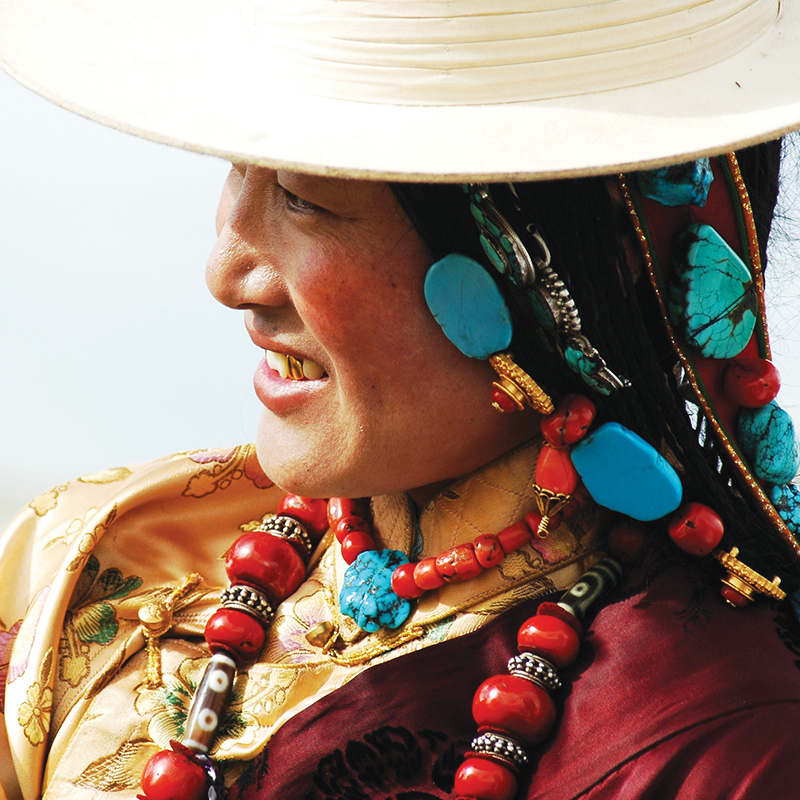
The Tibetan practice of wearing dzi beads, coral, or other gemstones also reflects traditional beliefs in their energetic and healing properties. Treatments may include bloodletting, moxibustion, herbal baths, and other folk therapies. Over seventy ancient medical thangkas illustrate the structure of the human body, the properties of herbs, and the science of astrology, standing as timeless masterpieces of Tibetan medical tradition.

Today, Tibetan medicine is part of China’s healthcare system, complete with hospitals, pharmaceutical facilities, and specialized colleges. The Tibetan pursuit of balance between body and mind reminds us of the One who heals completely—the Lord who renews both body and spirit.

Prayer

Heavenly Father, throughout history the Tibetan people have sought healing amid hardship. We thank You that access to medical care is gradually expanding, and we ask You to continue strengthening healthcare workers and developing the region’s medical resources. We intercede for those suffering from illness: may they come to know the Great Physician, Jesus Christ, who not only restored sight to the blind and strength to the lame, but also healed hearts bound by despair and gave life in abundance. Lord, raise up Christians in both Eastern and Western medicine who can collaborate with Tibetan doctors and patients. Grant them wisdom and cultural sensitivity as they exchange ideas, using familiar metaphors and concepts to communicate the truth of life found in You. May every act of care become a testimony to Your compassion and power to heal. In the name of Jesus Christ we pray, Amen.

Pricier Than Gold

Tibet’s Annual Cordyceps Harvest

07Dec

Every year from April to July, Tibetan villages fall silent—only the elderly remain, while nearly everyone else heads for the mountains to dig yartsa gunbu (cordyceps). Even schools close so children, with their keen eyesight, can join the search.

The Tibetan Plateau has long been a treasure trove of medicinal herbs—rhodiola, snow lotus, and saffron among them—but none rivals the fame or price of Cordyceps sinensis, the fungus-infected caterpillar prized in traditional medicine. In the 1960s, it sold for just 0.6 RMB per kilogram; by the 1990s, after being hailed as an anti-cancer remedy and “Asian Viagra,” its value had multiplied a hundredfold—once fetching three times the price of gold. This “miracle herb” transformed impoverished villages across Tibet and Nepal, ushering in an economic boom.

In earlier decades, a diligent digger could unearth forty specimens in a single day; today, finding even five is considered lucky. As the climate warms and competition grows, cordyceps are disappearing fast.

Faith teaches Tibetans not to harm sacred mountains; the global community calls for ecological conservation; the media praises the industry as a pathway out of poverty. Yet within the hearts of the diggers lies an unspoken tension—between faith, livelihood, and the environment, all essential to survival. They dig carefully, replacing the soil after each find, mindful not to damage the meadows that sustain their livestock.

The decline of both the cordyceps and the grasslands cannot be reduced to a single cause. It is a web of poverty, market demand, and human desire—for income, health, and longevity—that keeps driving people up the slopes in search of “the grass worth more than gold.”

Prayer

Heavenly Father, You see the struggles and perseverance of the Tibetan people as they labor within such limitations. Lead them to call upon You—the Maker of heaven and earth—and may they experience Your grace that makes a way in the wilderness. Grant them peace and steadfast faith to know that even when the earth’s resources are exhausted, Your mercy never runs out. Move the hearts of government leaders and organizations to discern local needs wisely and to create visionary and forward-looking policies that sustain both livelihood and creation. Stir Your church, Christian professionals, and partnering groups to engage meaningfully with the real issues Tibetans face, becoming steady and trustworthy companions. May they walk alongside Tibetan villages with compassion and practical wisdom, empowering communities to face challenges with renewed strength and hope. In the name of Jesus Christ we pray, Amen.

Festival Evangelism

Religious Celebrations in Tibet

08Dec

In the book Rusty Hinges, 20th-century missionary Frank Doggett Learner recounted his experience at the Thangka Unveiling Festival at Kumbum Monastery:

“Coming nearer, you observe that the people who emerge from beneath the painted canvas are sick and diseased. It is with a sad heart that I explain to you that these poor sick folk believe that any physical ailment may be cured by passing beneath the Buddha from one side to the other. So it is that the maimed and the blind gather together on this great day, and as they crawl painfully and laboriously under the painted canvas, they hope to be cured of their diseases when they emerge on the other side. As we watch the pathetic sight, our minds go back to the time of our Lord, and we remember he joy of the infirm, the lam, the leper, the mentally afflicted and the dying, who at His touch were made perfectly whole. And here are these sick and suffering ones seeking relief by wriggling on all fours under a d piece of embroidery! A wave of helpless pity sweeps over us! ‘Lord, how long?’”*

That question—“Lord, how long?”—strikes the heart. Was he asking, “How long must they crawl?” or “How long until they meet You?” Either way, it was a cry born of compassion and longing.

Carl F. H. Henry, one of the founders of Fuller Theological Seminary, once wrote,

“The gospel is only good news if it gets there in time.”

How long will it be before the sons and daughters of God reach the Tibetan people with this good news? May everyone seeking healing beneath the thangka one day touch the hem of Jesus’ garment and find wholeness in Him.

*Frank Doggett Learner, Rusty Hinges: A Story of Closed Doors Beginning to Open in North-East Tibet (London: The China Inland Mission, 1934), 98.

Prayer

Heavenly Father, we long for every significant moment in the lives of the Tibetan people to be bound together with You. In the past, Learner recorded the first stirrings of the gospel entering Tibet. Today, we pray for those doors to open again. Send believers—businesspeople, travelers, and workers—into the marketplaces and festivals of Tibet, to bear witness to Your light in every valley and village. Raise up many who will respond, “Here am I, send me.” Especially call and equip strong, mature young missionaries—unafraid of hardship, deeply familiar with Tibetan culture and language—to plant communities of love for You across the plateau, like branches of a fruitful vine rooted in Christ. In the name of Jesus Christ we pray, Amen.

Exorcism and Masks

Religious Dance in Tibet

09Dec

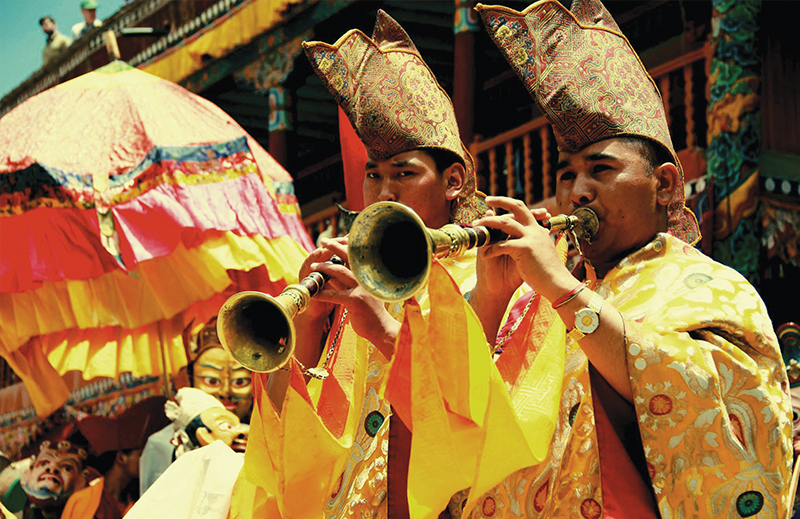
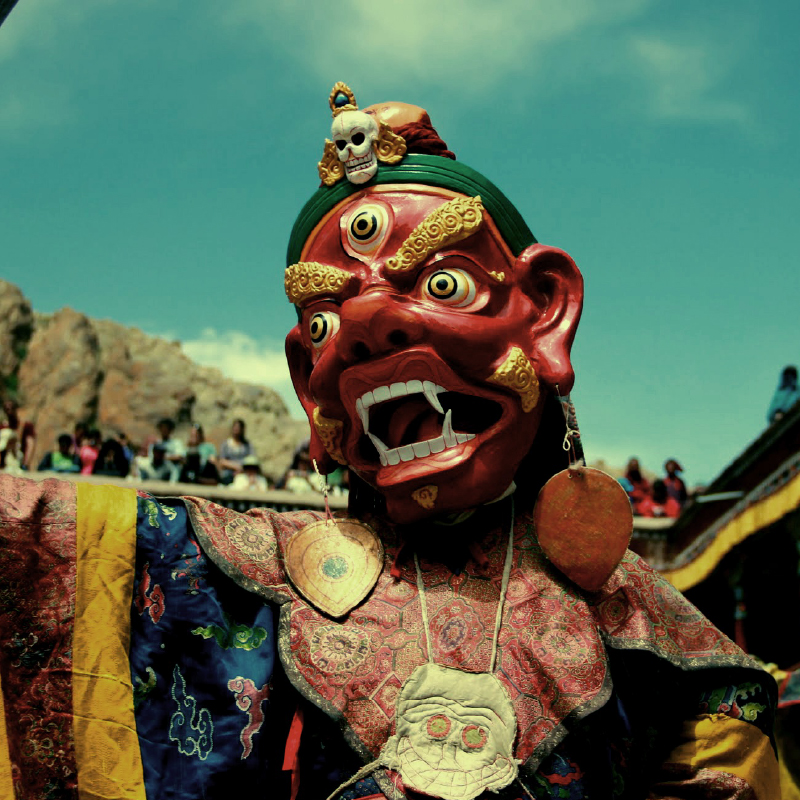
The Cham (in Tibetan), also known as the Vajra Dance, is one of the most striking expressions of Tibetan religious life. Performed during major festivals, this sacred drama unfolds in five acts, blending dance, music, and ritual to drive away evil and invoke blessing.

As the performance begins, the air trembles with the beat of drums, the clash of cymbals, and the long, low cry of horns. Monks enter the courtyard wearing enormous, fearsome masks—demons, deer, bulls, wrathful deities—all larger than a human head by two or three times. Their robes and ritual instruments swirl with every step, alternating between fierce and graceful movements.

In the third and fourth acts, six masked dancers with animal faces whirl wildly, and then a figure made of dough—representing evil and the impurities within the human heart—is placed in the center of the arena. A deep drone from the long horn echoes like a rumble from the earth’s core. Then the main character appears: the Great Vajra King, brandishing his ritual scepter, stamping the ground with power. The crowd falls silent. Some tremble or weep, offering white khata scarves—their sign of reverence and devotion. At the climax, the music suddenly stops. The dancers freeze. Then, with a swift motion, the Vajra King raises his weapon high and smashes the dough effigy to pieces, scattering it in every direction—a symbolic victory over evil and the destructive passions of greed, anger, and ignorance.

Through this dance, Tibetans express their yearning for cleansing, victory, and protection from unseen forces. May the day come when gospel drama, dance, and performance can speak to that same longing—bringing true comfort and freedom through the story of Christ.

Prayer

Heavenly Father, in the rugged and unpredictable highlands, people often feel small and vulnerable. Even the resilient and courageous Tibetan people long for protection and blessing. You, Lord, were Abraham’s shield in the desert, Israel’s protector in the wilderness, and Daniel’s deliverer in the lions’ den. May Your powerful Word bring comfort and true peace to the hearts of the Tibetan people. Raise up artists—dancers, dramatists, and storytellers—who can weave together tradition and creativity to share the good news in ways that touch Tibetan hearts. May they proclaim Jesus Christ, the One who conquered death and triumphed over the powers of darkness. And one day, may the Tibetan people lift their pure white khata scarves—not to idols, but to the Lord who loves them deeply. In the name of Jesus Christ we pray, Amen.

The Ever-Rising Mani Stones

Bon Religion and Dêngqên County

10Dec

As Buddhism gained prominence in Tibet, the ancient Bon faith seemed to fade but never vanished. Beneath Buddhist imagery, it endures—teaching that all of nature is alive with spirits and guardians. Tibetan practices like kora (circumambulating sacred mountains) and lungta (hanging prayer flags) stem from Bon’s ancient mountain-deity worship.

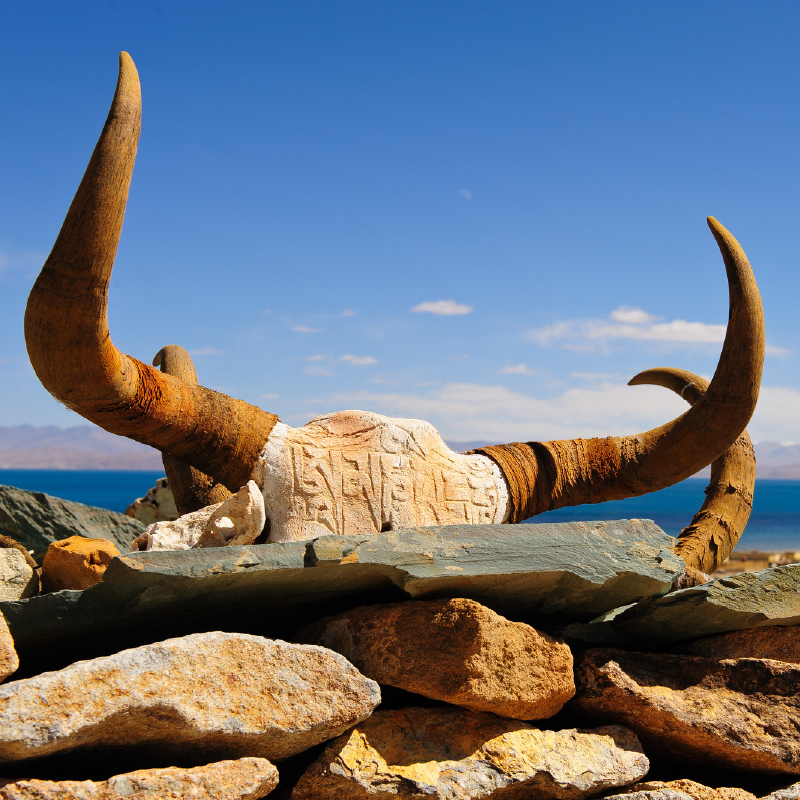
Animal sacrifice has long held an important place in Bon rituals. Even today, one may find yak and sheep skulls placed along mountain passes and riverbanks, offerings for safe travels and favorable weather. Over time, this tradition influenced Tibetan Buddhism, which replaced animal offerings with torma—small barley flour sculptures shaped like animals, serving as symbolic substitutes. During shamanic healing rituals, a patient might hold a torma to absorb misfortune or illness, a tangible “scapegoat” for spiritual cleansing.

The ubiquitous mani stones seen throughout Tibet—piles of inscribed rocks along trails—also originate in Bon’s ancient stone-veneration practices. Pilgrims add to them while chanting prayers, carving the Buddhist six-syllable mantra “Om Mani Padme Hum”—a visible blending of Bon and Buddhist worlds.

When Buddhism sought to suppress Bon, Bon monks retreated deep into the mountains of eastern Tibet. The closer one travels toward Sichuan and Yunnan, the more Bon monasteries appear. Dêngqên County in Chamdo is home to both the world’s largest mani stone mound and the largest Bon monastery, Zizhu Monastery. Perched precariously on a 4,800-meter cliff shaped like a celestial gate, it preserves one of Bon’s most unusual rites: a sacred naked dance performed only once every twelve years, during the Year of the Rooster.


In Bon regions, people circumambulate mountains and mani mounds counterclockwise, opposite the Buddhist direction. The swastika symbol (卍) they use also turns the opposite way. Even in parts of Yunnan, scorpion symbols painted on house walls mark lingering Bon influence.


Prayer

Heavenly Father, You long to have a living, personal relationship with the Tibetan people—one not built on man-made objects or rituals, but grounded in spirit and truth. As the gospel reaches Tibet, may they not see it as another religion or syncretistic system, but as the revelation of the true and living God. Cleanse and soften the soil of their hearts. Protect the seed of the gospel so it will not be blown away by the wind or choked by thorns, but take deep root and bear fruit. Raise up believers who understand Tibetan culture and language, so they can explain with clarity and compassion—using familiar images like the torma—that Jesus is the perfect offering You Yourself have provided. He is not an intruder to their heritage, but the fulfillment of their long, sacred search for redemption. In the name of Jesus Christ we pray, Amen.

Masters of Debate: Monastic Training in Logic

The Art of Buddhist Debate

11Dec

Monks—one of Buddhism’s “Three Jewels”—are deeply respected in Tibet. Traditionally, every family sends at least one child to the monastery, both to gain merit and to ensure someone in the household is literate, while easing the burden of raising many children and dividing family property.

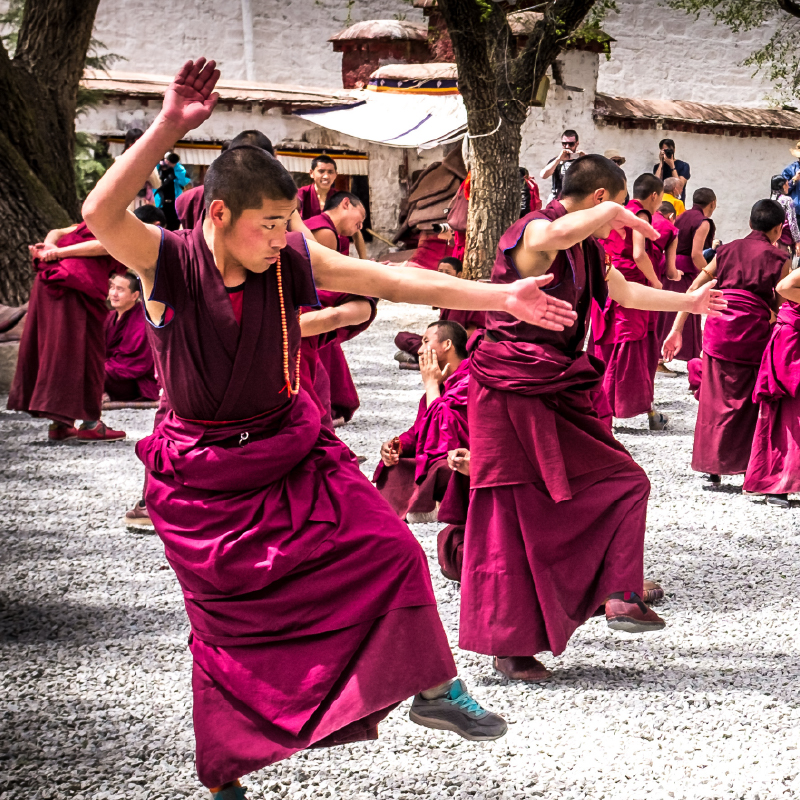
What young monks look forward to most is the daily afternoon debate session. The scene recalls the philosophical exchanges of ancient Athens: in the monastery courtyard, monks pair off or form small teams, clapping, stomping, and debating fiercely before a crowd of Tibetans and tourists.

If a debater’s response drags on too long, the audience claps three times in protest; if an argument shines, the crowd stomps the ground in approval. It is a battle of intellect and quick wit—a rigorous training ground for logic and composure.

It is said Buddha encouraged his disciples to question and test his words. Tibetan monks grow up learning to defend the teachings amid sharp challenges, citing scripture to uphold a faith they do not yet fully grasp but are committed to pursue. Over time, they develop keen minds and eloquent tongues, skilled in both argument and persuasion.

Today, Tibetan monasteries in India invite scholars to teach subjects like science, helping monks explore the dialogue between faith and reason and engage thoughtfully with the modern world.


Before 1959, there were about 592,000 monks in Tibet—roughly 17% of the population. By 2005, official Chinese statistics recorded 46,000 monks and nuns. Under Chinese law, no one under 18 may enter monastic life.


Prayer

Heavenly Father, sharing Your truth with monks may seem daunting, yet Your gospel’s power is never hindered. You invited doubting Thomas to touch Your resurrected body and turned Saul the Pharisee into Paul the apostle. Lord, You know how to open the hearts of Tibetan monks so that they cannot ignore Your call. We lift up all who serve among Tibetan Buddhists—grant them wisdom, grace, and strength to stand firm amid deep religious traditions. Raise up workers and missionaries to partner together, developing insight and practical tools for meaningful dialogue with Buddhists. In the name of Jesus Christ we pray, Amen.

Ballad of Grass, Earth, and Wind

The Nomads of Amdo and Northern Tibet

12Dec

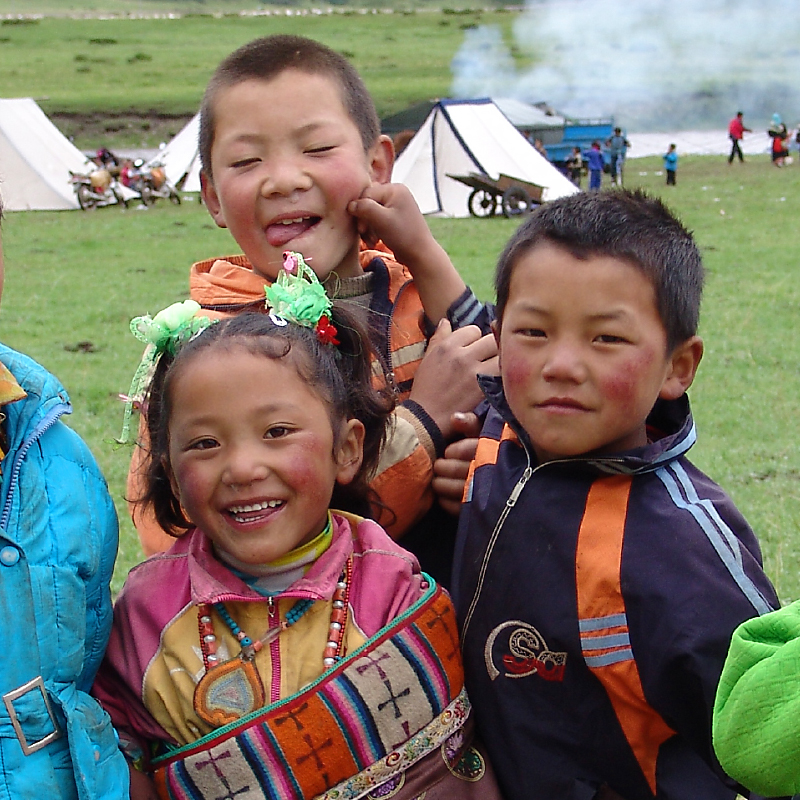
When summer comes and the grass flourishes, yaks and sheep feast and grow fat. For the nomads of Amdo and northern Tibet, this is the season to move from their settled winter homes to the open summer pastures. But moving camp is no easy task—just setting up a single yak-hair tent leaves everyone exhausted. “Guess how heavy it is?” laughs Lhamo. The answer: 120 kilograms.

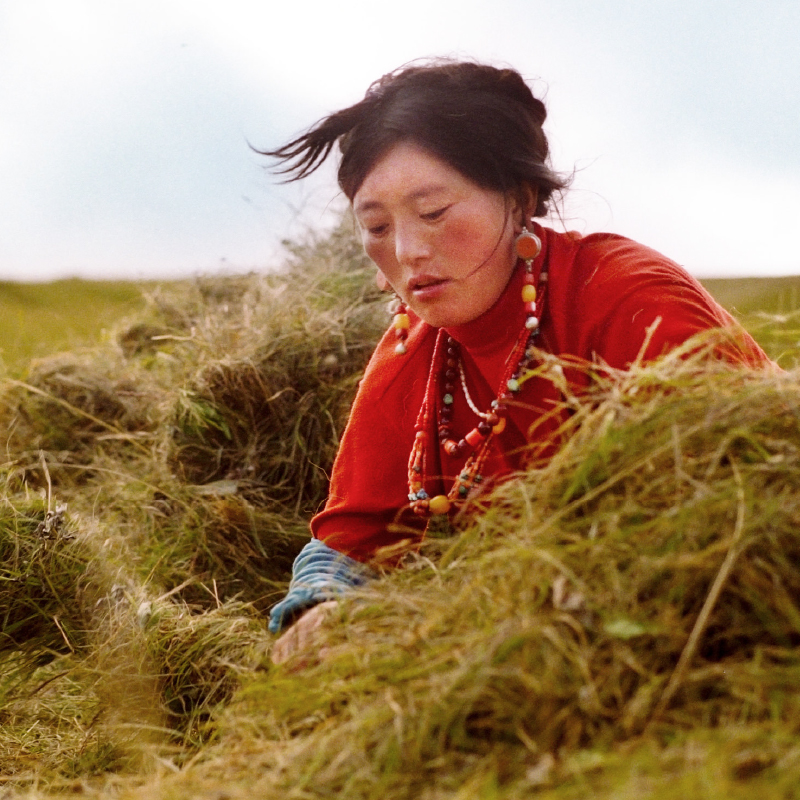
Across the vast Changtang Plateau, nearly 90 percent of the population are herders. From April to September, the plains are dotted with black tents and herds of grazing animals. Yet the grass here grows short and slow, and the land’s capacity is limited. To prevent overgrazing, families move their camps every week, traveling 5 to 10 kilometers at a time so the pastures can recover.

In summer, when the animals are strong, Tibetan women milk their yaks or sheep three times a day—twice in winter. The work begins with a lively contest of wits to tie down each animal. The best yak milk is pale yellow and churns into fragrant, buttery fat. Technology has brought a few comforts: solar panels replace some butter lamps, churning machines lighten the women’s load, and small trucks spare the yaks from carrying heavy gear across the mountains.

To outsiders, the nomadic life may seem harsh and inefficient, but for these herders, it is a cherished way of life—a time when family and neighbors draw close under the wide, wind-filled sky.

Prayer

Heavenly Father, You have given the vast grasslands as a home for the Tibetan herders, who for generations have lived wisely in harmony with the land. They have learned to use nature’s gifts with gratitude and restraint. Preserve these good qualities, Lord, amid the pressures of modernization. Watch over every nomadic household—may their herds thrive, their tents overflow with grain and wine, and their hearts remain content. We pray especially for families affected by the government’s policies on “moving away from herding” and the rapid changes in their way of life. Heal their sense of loss, strengthen their resilience, and lead them to new and flourishing paths. In the name of Jesus Christ we pray, Amen.

40% of Tibet’s barley is produced in Shigatse.

Praying for Rain

Farmers of Southern Tibet’s Valleys

13Dec

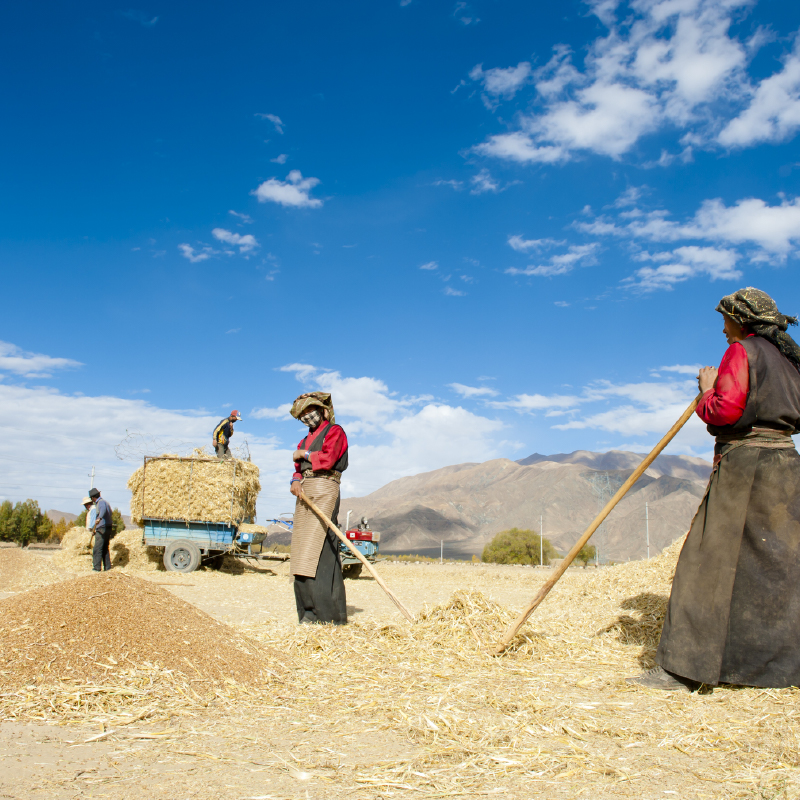
In Tibet, food is never taken for granted, nor do seeds grow just anywhere.

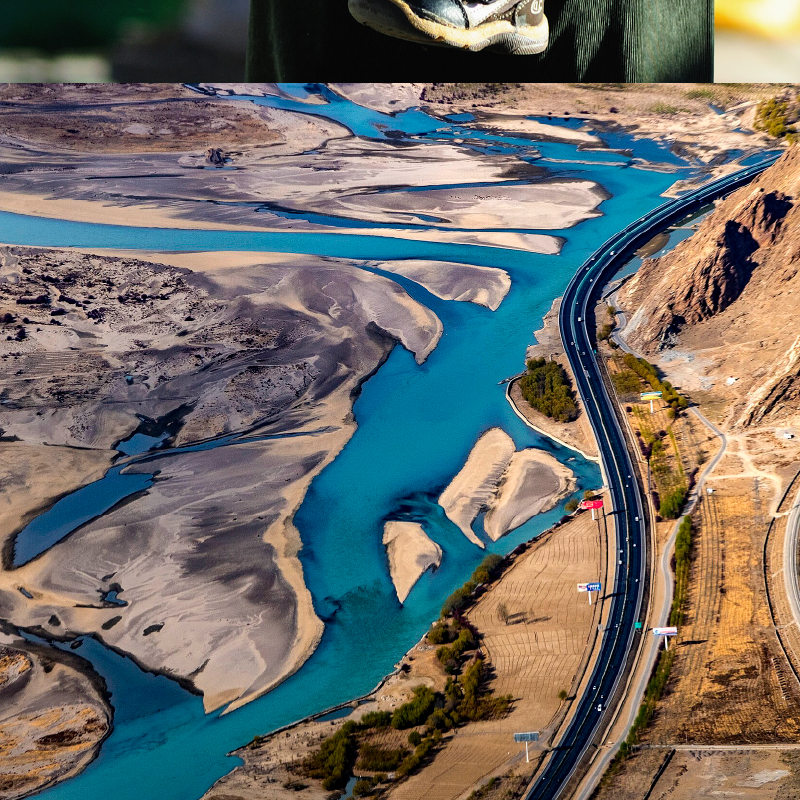
The fertile valleys of Shannan, Shigatse, and Nyingchi in southern Tibet are the granaries that sustain the people. From the snowcapped mountains, the Yarlung Zangbo River flows down, its many tributaries threading across the thirsty plateau. In the village of Tsetang Sare, the field of Suodang is said to be Tibet’s first cultivated farmland.

Tibetans treasure Highland barley—a crop as resilient as the people themselves. It endures cold, drought, and salt, and matures quickly. Roasted and ground into flour, it’s kneaded with butter tea into the staple food tsampa.

Where there is tsampa, there is life. Nomads carry a small pouch at their waist, filled with tsampa for the road. It requires no cooking, saving precious fuel; and when there’s a cup of hot butter tea to dip it in, that simple meal becomes a taste of joy in a hard land.

In recent decades, Han Chinese settlers have brought machinery and new farming techniques, boosting barley yields. Yet Tibet’s greatest challenge remains—its arid climate and scarce rain. Ancient Tibetan kings once dug channels to irrigate the fields; now, modern engineers fill the Yarlung Zangbo with rock and soil, building dams to store water—and dream even bigger, envisioning a massive project to divert Tibetan waters northward to Shaanxi and Beijing.

For generations, Tibetans have revered the natural world; never had they imagined that humans could one day halt the flow of their sacred river.

Prayer

Heavenly Father, the rivers and soil of southern Tibet are precious gifts from Your hand. The golden fields of rapeseed and barley provide food and oil for countless families. We look to You, the One who “sends rain on the earth and waters the fields,” to refresh the land. Bless the cooperation between government and farmers as they develop modern agriculture and irrigation. May both sides listen and learn from one another, seeking sustainable ways to cultivate the highlands. When tensions arise between development and conservation, rule in their midst with Your wisdom. Guide all involved to balance human need with the care of creation. Help those on opposite sides to speak truthfully, work together, and find shared paths toward flourishing. In the name of Jesus Christ we pray, Amen.

Water Tensions

People Downstream of the Yarlung Zangbo River

14Dec

Why did the decision to build a mega dam on Tibet’s Yarlung Zangbo River cause such alarm among downstream nations?

This colossal project—three times the power capacity of China’s Three Gorges Dam—surpasses it in both scale and complexity, with far-reaching consequences. As the river flows toward the Bay of Bengal, millions in India and Bangladesh depend on its waters for drinking, farming, and daily life. It’s no wonder that anxiety runs deep downstream.

Water Control: A dam upstream means control over water flow downstream—raising concerns about drought during dry seasons and flooding when excess water is released. India fears becoming dependent on China’s management of the river.

Strategic Threat: India also worries the dam could serve as a military foothold—allowing upstream forces to control water as a political weapon and gain strategic advantage along the border.

Ecological Impact: The river’s fertile sediments nourish farmlands along the Ganges and the Bengal Delta. A dam, however, traps these sediments, reducing soil fertility, worsening saltwater intrusion, and disrupting fish populations—problems that require costly restoration efforts.

Now, India is responding by building dams of its own. Yet from an ecological standpoint, this competition between upstream and downstream countries may resolve political fears only to destroy the shared river ecosystem that sustains them all.

Prayer

Heavenly Father, may nations approach this mighty river with reverence, seeing it not as a weapon or resource to control, but as a gift of grace You have provided for all creation. Grant wisdom to leaders as they craft policies—may they consider their neighbors’ needs and pursue cooperation beyond borders, guided by Your vision for shared stewardship of water, land, and life. Bless China, India, and Nepal with transparency, communication, and mutual trust in managing their shared waters. As dams alter the river’s rhythm—its flow, sediment, and temperature—give wisdom and resources to restore ecosystems and protect livelihoods downstream. And Lord, please watch over the fragile peace along Tibet’s borders. In the name of Jesus Christ we pray, Amen.

An Uneven Landscape of Learning

Education on the Tibetan Plateau

15Dec

In the Amdo and northern Tibetan pastoral regions, the land’s contours are more than lines on a map—they shape the realities of education on the plateau. On a map of Qinghai Province, you can see that schools and teachers are concentrated in the east, around the provincial capital Xining and Haidong City (2,000–4,000 meters above sea level). But farther west, across the high-altitude prefectures of Golog, Yushu, and Hainan, life above 4,000 meters tells another story: thin air, rugged terrain, and scattered settlements make education a struggle, with many children forced to board at school because daily travel is impossible.

Teachers are few, especially in subjects like English, art, music, and physical education; qualified high school instructors are rare. Some teachers lack formal training or must cover multiple subjects at once. Several counties have no high school at all, forcing children to travel hundreds of kilometers to Xining or other provinces—or to give up their education entirely. A teacher in Golog earns barely half the salary of a peer in a major city, and many migrate east for better opportunities.

Beyond geography, differences in lifestyle and values also shape students’ choices. One young woman, Pema, left her vocational school after just a few weeks: “I’d rather help my family herd. The school doesn’t teach what I need—none of the teachers understand our life.”


In earlier days, education in the grasslands depended on “mobile schools.” As guide and writer Li Maorong recalls, a single tent stood at the center of each herding area. Inside, a literate herder—someone with a few years of primary or middle school—would teach children to read, write, and do arithmetic between tending livestock. When families moved, the tent classroom moved with them.


Prayer

Heavenly Father, the dreams of children in the pastoral lands differ from those of the cities, yet they too long to learn, to grow, and to build meaningful lives. Move the hearts of policymakers to shape vocational education that meets the real needs of these regions—agriculture, herding, tourism, commerce, and ecology. Raise up teachers who unite local experience with modern skills, helping students weave together tradition and new knowledge, so that their learning brings tangible benefit to their communities and prepares them for the future. Watch over those who study far from home. Help them adjust to new environments and one day return to strengthen and bless their homeland. Strengthen teachers in the grasslands with perseverance, joy, and vision. And Lord, send Christian educators to these regions to sow into young lives, nurturing them in Your love and truth. In the name of Jesus Christ we pray, Amen.

What Future is Hidden in a Child’s Words?

Mandarin-Based Education in Tibetan Schools

16Dec

As she speaks, her eyes drift toward the pasture beyond the window. “It’s not that I don’t want him to study,” she says softly. “I just worry that when he grows up, he’ll neither know how to herd nor fit into city life.”

This is Golog, a Tibetan prefecture in Qinghai Province, perched over 4,000 meters above sea level. In recent years, boarding schools here have adopted a “Mandarin-first, Tibetan-second” model, using state-standard textbooks in Chinese, while Tibetan has been reduced to a single subject.

The facilities have improved, and teachers from Shanghai have come to assist. For many Han educators, Mandarin is seen as “a bridge leading children off the plateau and into the future.” Yet through this modern education, children slowly become different from the families and communities they leave behind.

Language, however, is more than communication—it carries identity. As one herdsman father worries that his child may forget their mother tongue and lose connection to the land, a mother quietly admits her mixed feelings: she hopes her son will have new opportunities, but wonders how a village child can ever compete with students from the cities. Few families can afford to send their children to higher education.

This tension between modernization and tradition is not unique to Tibet—it is a crossroads faced by every culture in rapid change. What kind of adults will these children become? And where will they finally belong? The meeting of two worlds has made education in Tibet a choice filled with both hope and heartbreak.

Prayer

Heavenly Father, You hear the hopes and fears of every Tibetan parent—the longing for their children’s success, and the ache of seeing them lose touch with their roots. You also know the good intentions of educators who want to open new possibilities for the next generation.

Amid this tension, guard the hearts of Tibetan children. As they learn new knowledge and languages, help them remember the stories and needs of their homeland. May they grow strong in both cultures, becoming a new generation of Tibetan thinkers who use modern skills to preserve what is sacred, and tell their people’s story with gentleness and strength. We pray that education itself will become a bridge between cultures, fostering understanding and mutual respect rather than division. In the name of Jesus Christ we pray, Amen.

Primary school students in Nyingchi after class.

Teachers to the Borderlands

Educators Sent to Tibet

17Dec

In 2015, China launched a policy sending 800 teachers each year from various provinces to support education in Tibet and other frontier regions. These volunteer educators are known as “Borderland Supporter”—those who assist the borderlands.

Xiong Aiguo, a teacher from Beijing, had already taught twice in Xinjiang before heading to Tibet. His dream, he says, is simple: “to give children in western regions the same education opportunities as those in Beijing.” His students affectionately call him “Papa Xiong” in their journals.

Fu Xin, a scholar and educator, rallied fellow educators to raise funds for impoverished students and collaborated with local officials on a project to increase potato yields and market value through modern farming and selling their crops through WeChat, helping villages in Padan Township boost their income.

Ma Weizhong established the school’s first physics lab, insisting on hands-on learning to spark curiosity about science. Sun Lihua focused on mentoring local teachers, believing that supporting Tibet isn’t just about teaching—it’s about training those who will stay.

The challenges are many: extreme altitude, limited resources, culture shock, separation from family, and deep loneliness. Building unity among the diverse teaching teams is no small feat either. “We come from different cities, disciplines, and ages,” says Chen Zuoru. “Local teachers find us unfamiliar too. Integration takes time—you can’t rush it.” Each assignment lasts one to three years, and just when teams find their rhythm, it’s often time to start over.

Prayer

Heavenly Father, thank You for the teachers who journey to the highlands each year, bringing knowledge and love to children in Tibet. Bless these encounters, that they would foster friendship, mutual respect, and lasting understanding between two cultures.

Lord, we believe Your image shines through every people—the kindness, gratitude, and harmony with nature seen among herders reflect Your beauty. Grant these teachers wisdom to recognize and nurture such virtues, that both they and their students may be transformed by what they learn from each other. May the frontier educators not only impart knowledge but also serve as bridges—carrying the stories and needs of remote regions back to the cities, inspiring policies rooted in compassion and understanding. In the name of Jesus Christ we pray, Amen.

The Village of Appliqué

The Artisans of Nianduhu Village

18Dec

In Huan Gong’s workshop, what’s passed down is more than a craft—it’s a way of life that moves against the current of time. While the world outside races forward—high-speed trains cut across permafrost toward Lhasa, and livestreams reach even the most remote Tibetan hamlets—the villages along the Longwu River in Qinghai remain steady in their rhythm. Every household is busy painting thangkas, stitching appliqué, or sculpting Buddha figures—each immersed in the quiet patience of handmade devotion.

Among them, the people around Nianduhu Monastery have mastered the temple’s signature art form: thangka appliqué, or kyigus in Tibetan. This three-dimensional tapestry is painstakingly intricate. Huan Gong, who learned the craft from his father, began training apprentices at twenty. “You can’t rush appliqué,” he says. Just learning to sketch the base design takes at least three to five years. His goal is to pass on the skill to younger generations—anyone willing to learn is welcome. Yet it’s not easy: the burden of paying the wages of more than thirty apprentices falls entirely on the master’s shoulders.

In 2009, Regong Art was inscribed on UNESCO’s Intangible Cultural Heritage list. The Wutun area of Tongren City—home to the largest concentration of artisans and the broadest range of crafts—has since become a government-supported creative hub along both banks of the Longwu River. Local masters now sell their works across China and abroad, and cultural heritage tourism has taken root: visitors to Wutun can now try their hand at thangka painting or appliqué embroidery.


The Appliqué Process

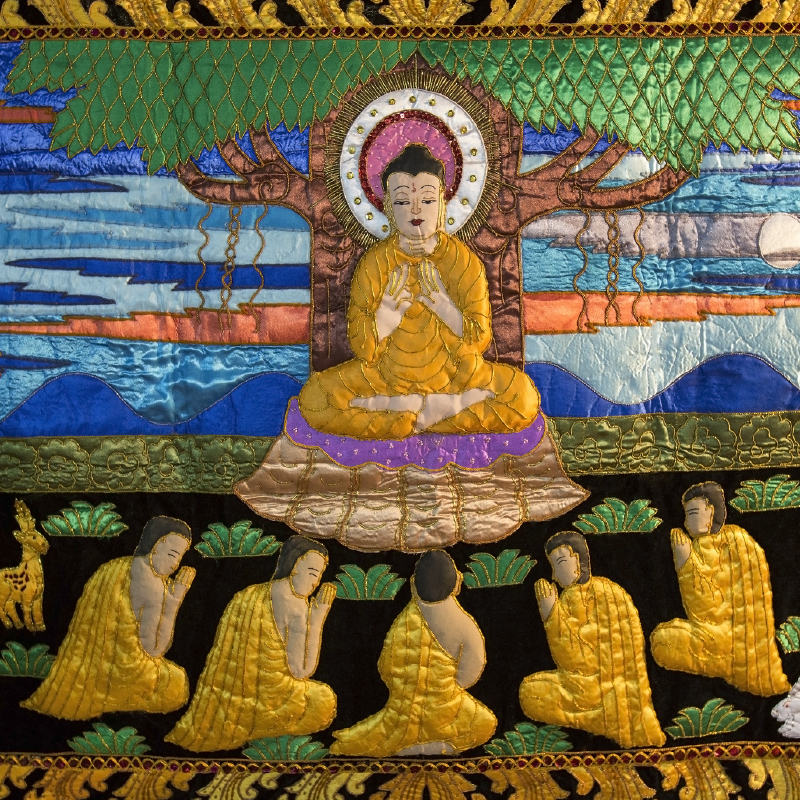
STEP1 Design: Artists begin by sketching a base image according to the Canon of the Physical Proportions of a Great Being. Large appliqués are divided into dozens—or even hundreds—of sheets, testing the painter’s mastery and precision.

STEP2 Material Selection: Fabrics of varied colors and textures are chosen and cut into shapes for each element of the image—sometimes even each petal of a single flower.

STEP3 Padding: The cut pieces are filled with cotton or slightly raised to create dimension.

STEP4 Assembly: The padded pieces are then stitched together to form the complete image. The choice of fabric is crucial, determining the tone and texture of the Buddha’s skin, robes, and ornaments. It demands exceptional skill to harmonize color, material, and form into a vivid, lifelike composition.


Prayer

Heavenly Father, You cherish every delicate hand that creates. Reveal Yourself to these artisans as the Master Designer—the One who, in our brokenness, patiently cuts, mends, and weaves all things into beauty and glory. Raise up Christian artists to enter the world of appliqué, fostering creative and professional partnerships that inspire new themes and forms. May believers in these towns open workshops that infuse their art with the warmth of the gospel, touching both travelers and trainees alike. Through beauty and craftsmanship, let Your love and truth gently transform lives. In the name of Jesus Christ we pray, Amen.

The Village of Thangka Painters

The Artisans of Gama

19Dec

Juja, an elder thangka painter from the Gama Valley, is said to paint with both the strength of the mountains and the gentleness of the divine. This region—known as “the homeland of artisans”—is famed for its delicate painting style, influenced by Chinese artistry. Without ever leaving home, Juja still receives over forty bookings at a time.

As a child, his granddaughter would sit quietly beside his canvas, watching every stroke. One day, seeing her unwavering gaze, he allowed her to color the robes on a sketched Buddha. In the past, women were forbidden to paint thangkas—but she never thought of that. She only said with childlike resolve, “I want to carry on Grandpa’s art.

Perhaps by now, she has become Gama’s first female thangka painter.

For Tibet’s nomads, a thangka is more than a sacred image—it is a temple they can carry with them. Wherever they wander, even if only a single branch can be found, they hang the thangka, bow before the Buddha’s face, and find solace amid the hardships of life. In earlier days, monks and itinerant teachers traveled from village to village with thangkas painted with Buddhist stories and everyday wisdom. Whenever people saw a traveler bearing a thangka on his back, they would gather instinctively to listen and learn.

Later, Christian missionaries too designed gospel thangkas—telling through familiar images the story of a different kind of Compassionate One.


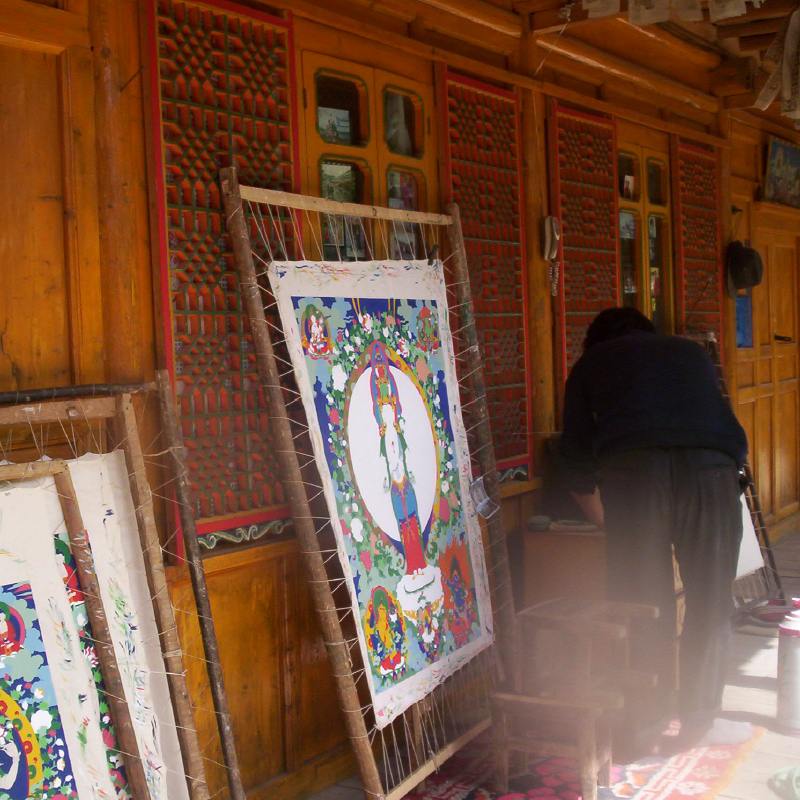
According to an old saying, a fine thangka takes the time it takes for “the cuckoo to cry thrice,” meaning three years. The pigments, drawn from nine natural minerals and precious stones, retain their brilliance for centuries. Monks paint while chanting sutras, and each finished thangka is consecrated in ceremony. To this day, nearly every Tibetan household will commission at least one thangka from a monastery to enshrine at home for worship.


Prayer

Heavenly Father, thangkas have long been the canvas through which Tibetans express faith and knowledge—may they also become windows through which the gospel is revealed.

Stir the hearts of artists and believers to collaborate on gospel thangkas, that painters may encounter Jesus as they create, meeting Him in the stillness of line and color. May their sacred art—both traditional and modern—draw Tibetans of every generation to seek truth and engage with Christians in genuine friendship. Lord, just as monks in Western monasteries once devoted their craft to sacred art, grant meaningful exchange between them and Tibetan artisans. Through such encounters, may Tibetan craftsmen glimpse the peace, joy, hope, and assurance of eternal life found in Christ—and, beholding His beauty, entrust their lives to You. In the name of Jesus Christ we pray, Amen.

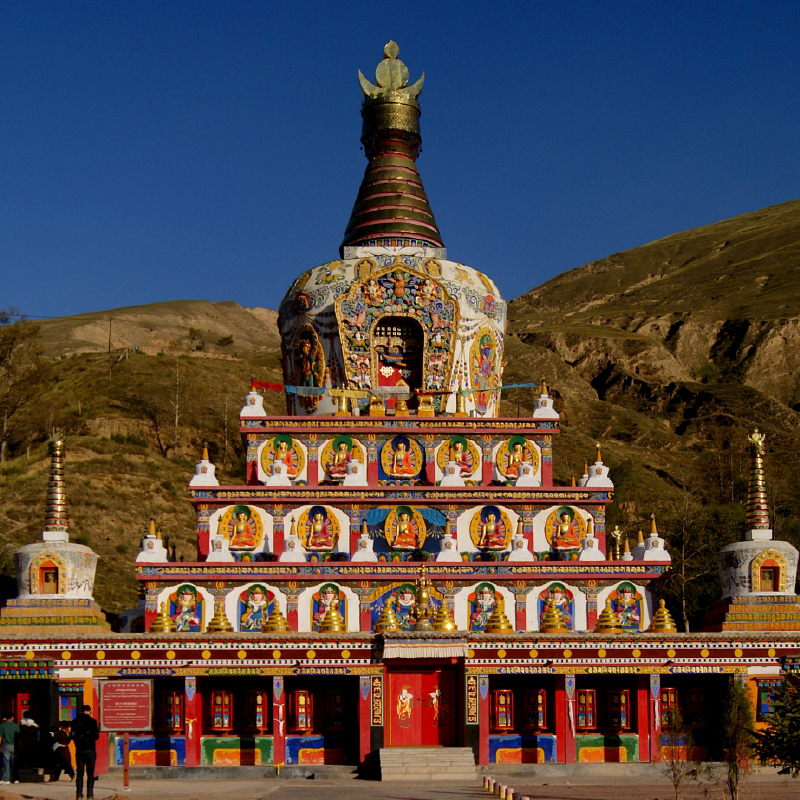
Many of Wutun’s stupas enshrine gilded Buddha statues

When Buddhist Art No Longer Sustains a Village

Metal Sculptors of the Buddha

20Dec

On Lhasa’s Barkhor Street, many shops invite thangka painters to work in-house, drawing tourists to stop and watch. By contrast, the future looks far dimmer for Tibet’s traditional metal sculptors.

In a small village of Gama, the rhythmic clang of hammer and anvil rings through the valley, like music from an ancient forge. Dönzhu, a certified master of this endangered art, guards a vanishing craft—the hand-forging of bronze Buddhas. It is not a popular trade but a solitary path of devotion.

Today, monasteries no longer commission as many statues as they once did. Factory-made Buddhas, cheap and mass-produced, have eaten away at the market for handmade works—and with it, the dignity of the craftsmen. Young people, too, find it hard to persevere. “In the past,” says Dönzhu, “we started young—painting Buddhas, reciting scriptures, learning proportions. It took more than ten years to become a master. Now the children come only after finishing middle school. They start too late; their minds are unsettled, and their faith has shallow roots.” The economy of these bronze-working villages is narrow, with few industries to support them, making it difficult to keep young people from leaving.

Once, Regong artists drew inspiration from Buddhist scriptures, shaping their faith through art. Perhaps in the future, a generation of Christian artists familiar with Tibetan culture will arise—collaborating with Regong craftsmen through shared creativity and dialogue, opening new spaces of imagination for both artisans and their audiences, in art and in spirit alike.

Prayer

Heavenly Father, You watch over those that face change and uncertainty, and You remain the one steadfast and faithful refuge. Just as Joseph and Daniel found courage in unfamiliar worlds by trusting in You, may artisans like Dönzhu also encounter Your presence. When markets decline and young people drift away, let them discover in Christ their unshakable worth—lives more precious than gold or bronze, shaped by Your own hands. Raise up Christian artists to walk alongside these craftsmen, sharing creativity and encouragement, and let the beauty of the gospel enter their world. Revive art villages across the plateau, giving young people space to grow and create. In the name of Jesus Christ we pray, Amen.

New Challenges for the Ancient Traders

Ngawa Tibetans

21Dec

When it comes to business, few can match the Kham Tibetans—and among them, the traders of Ngawa are the most renowned.

In earlier times, the ancient Tea Horse Road—rivaling the Silk Road—linked the Han, Tibetan, and Yunnan regions, teaching the Kham people the art of trade. Ngawa, located where Sichuan, Gansu, and Qinghai meet, lies close to Han Chinese territories. During the Emperor Qianlong era, local monasteries managed regional chieftains and held vast forests and farmland, giving rise to strong commercial capital. Of Ngawa’s three merchant groups, the monastic traders were the most powerful, followed by Muslim and chieftain merchants.

Even after the Tea Horse Road faded from its former glory, the Ngawa traders’ business instincts stayed sharp. In recent decades, some have hauled large suitcases onto trucks bound for Shenzhen, selling medicinal herbs and returning to the plateau with new goods and ideas—tracing out fresh trade routes of their own. Others have built cross-border networks in Zhangmu (Dram), near Mount Everest, conducting business with Nepal across the Sino-Nepal Friendship Bridge.

Once, Barkhor Street in Lhasa belonged to Ngawa traders and Hui merchants alike. Now, railways and highways have ended the region’s isolation. As Han Chinese settlers, entrepreneurs, and manufactured goods pour in, many Tibetan merchants feel outmatched. “We can’t compete with the Han,” one said quietly.


Among their traditional wares are bowls—an essential item for traders. Beyond the beloved wooden bowls of daily life, Tibetans prize porcelain ones adorned with auspicious motifs, and even silk-cotton undergarments from the plains have become bestsellers.


Prayer

Heavenly Father, You once guided Ngawa traders along the Tea Horse Road, connecting peoples and bringing blessing to many. In today’s shifting markets, lead them to know You—the God who makes a way in the wilderness and streams in the desert. Grant them peace in Your sovereignty and the wisdom to innovate amid uncertainty. Raise up godly businesspeople who walk in humility, honesty, and love, bearing witness to the gospel through their work. May their example draw the Ngawa people toward the road of life and spiritual abundance. Heal the lingering wounds of ethnic tension in this land, Lord, and teach its people to embrace one another with Your reconciling love. In the name of Jesus Christ we pray, Amen.

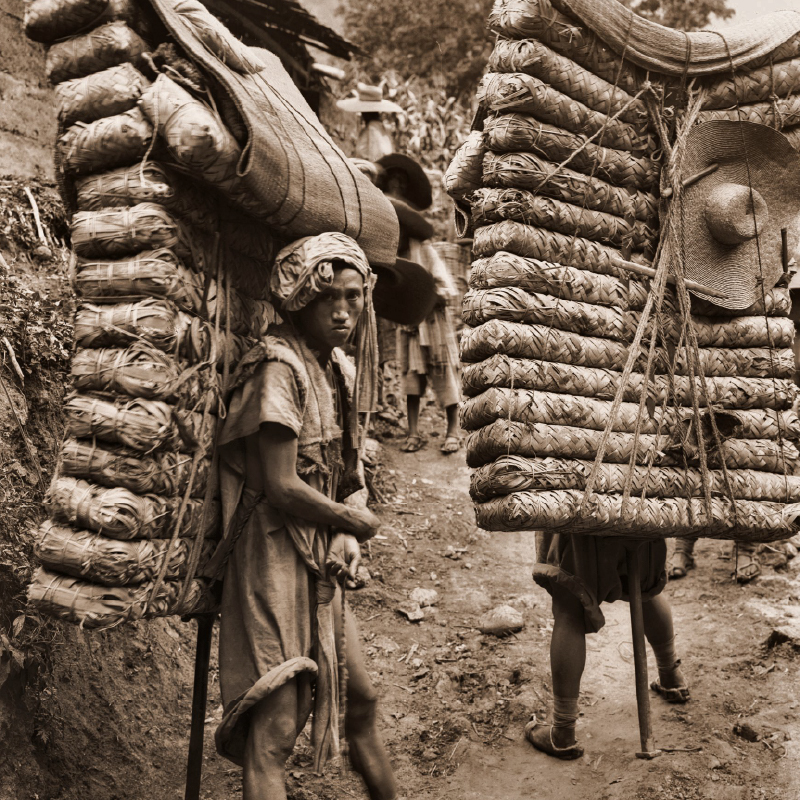
Porters on the Tea Horse Road once carried 150 kilograms of tea bricks—walking 9 kilometers a day on narrow trails until the flesh on their backs rotted away.

Moved to Eden?

The Tibetans of Sanyan

22Dec

In the old days of the Tea Horse Road, mule caravans trembled when passing through Sanyan. The Sanyan people, known for ambushing traders, once went so far as to seize the imperial tea convoy Emperor Qianlong had sent to the Eighth Dalai Lama—an act that drew the wrath of the Qing government and triggered a military campaign against the Sanyan people.

Their “bandits’ songs” were not boasts of crime but prayers for safety and survival. Their fierceness was born of desperation. Living in the perilous mountains of western Sichuan, they had almost no farmland or pastures. “The road through Shu* is hard,” the poets said—and for Sanyan herders, even yaks and sheep often slipped and fell to their deaths along the rushing Jinsha River. Poverty ran so deep that some families owned only a single set of clothes, shared by whoever needed to leave the house.

Sanyan villages were organized into “pacuo.” These patrilineal clans are led by elected chiefs known for their fearlessness and readiness to defend their people. In a culture of blood feuds, towering stone watchtowers rose above their homes, and villagers rarely traveled alone for fear of revenge attacks or ambushes.

In 1999, the people of Sanyan were relocated under China’s “Natural Forest Protection Program” to Nyingchi—known as “the Jiangnan of Tibet,” a land of rivers and peach blossoms. But years of isolation and the burden of a violent reputation made integration difficult. With little education or modern job skills, many found themselves strangers in their new home. Even today, when police in Nyingchi see a tall Kham man with a red headscarf, they often look twice.

* “Shu” refers to the Shudao, mountainous roads between Shaanxi and Sichuan (Shu).

Prayer

Heavenly Father, others may see the people of Sanyan as fierce, but You know the hardship that shaped their strength—the struggles they endured simply to survive. Now that they have left the cliffs for a gentler land, yet still feel restless and alone, prepare true friends and welcoming communities for them. Send Your children to live among them—to walk beside them through the challenges of learning, working, and rebuilding life. Lord, may these who once fought for their own survival encounter the One who gave His life for theirs. Transform their heritage of revenge into a testimony of forgiveness and healing. Turn their courage into watchfulness over Your flock, and their guarded hearts into love for their neighbors. Make the people of Sanyan new creations in Christ—no longer defined by their past, but by Your redeeming grace. In the name of Jesus Christ we pray, Amen.

The Thousand-Year Salt Fields of Tibet

The Tibetans of Yanjing

23Dec

Along the banks of the Lancang River, four thousand salt pans shimmer like crystal. This is Yanjing County—known to Tibetans as Tsakhalho, “the place of salt springs”—a thousand-year-old salt-producing village where Tibetans, Naxi, and Han Chinese live side by side.

Unlike the lake salt of northern Tibet, Yanjing’s salt comes from brine seeping through layers of rock. At dawn, women shoulder large wooden buckets and descend the steep mountain paths to collect brine from hollows chiseled into the riverside stones. They carry it home to their family salt pans, praying for strong sun and steady wind to speed the crystallization.

Summer floods from the roaring Lancang River can submerge the salt fields, while winter’s chill slows the process. But between March and May, when the air is dry and peach blossoms line the valley, the famed “peach blossom salt” forms—prized for its purity and delicate color. On the east bank, the soil yields white salt for table use; on the west, reddish salt, coarser but rich in flavor, beloved by herders who say even their animals grow stronger when fed with it.

Once a glittering gem on the Tea Horse Road, Yanjing’s salt caravans carried precious loads down treacherous trails to the markets beyond the mountains. Today, the ancient saltworks have entered their twilight years, yet the rough-hewn beauty of this craft continues to draw travelers—eager to meet the salt women and photograph the chessboard-like terraces shining beside the river.

Prayer

Heavenly Father, the people of Yanjing once labored under the sun, drawing water and harvesting salt to sustain families across Tibet. May they one day come to know the Lord who said, “You are the salt of the earth.” Let them become true salt—preserving goodness and bringing light to their communities. As Yanjing’s traditional salt trade fades with the passing of the Tea Horse Road, guide its people through economic and social change toward a hopeful future. May tourism bring not only prosperity but also the good news of Christ. Send Your followers to walk among the people of Yanjing—Tibetan, Naxi, and Han alike—leading them onto the path of life and salvation in Jesus. In His name we pray, Amen.

Crosses in a Land of Prayer Flags

Catholics of Upper Yanjing Village

24Dec

In Tibet, prayer flags cover the mountains, yet on a steep hillside in Yanjing stands something rare—a Catholic church, the only one of its kind in Tibet. Elderly Tibetans wearing crosses take their grandchildren to Mass, while their sons-in-law chant scriptures at the monastery. In many homes, portraits of Jesus hang beside images of the Buddha, a quiet testimony to the family’s mixed faiths—nowhere hinting at the fierce clashes that once filled these mountains with smoke.

Since the arrival of French missionaries in 1856, Yanjing saw both flourishing and persecution. Of fifteen priests who served there, seven were martyred amid repeated outbreaks of violence with the nearby Ganden Monastery, the last in 1949. Locals once scorned Catholics with derogatory names and saw them as nothing more than the foreigners’ loyal underlings.

The final priest, Father Maurice Tornay, was expelled by warrior monks and killed en route to Lhasa, ending the era of foreign missions. Decades later, after the church’s destruction and thirty years of silence, government permission allowed its rebuilding. Today, a young Tibetan priest carries on the shepherd’s work. The church’s exterior follows Tibetan design, but inside are Gothic arches adorned with khata scarves and thangka paintings. Worshippers read Scripture, pray, and sing hymns in Tibetan; the priest wears Tibetan robes. Each Christmas, hundreds gather for a feast and circle dance, celebrating late into the night. They keep both the Lunar New Year and Easter—eating local jiajia noodles and brewing their own wine from highland grapes.

Prayer

Heavenly Father, throughout history, Your people have often faced defeat, yet as Paul wrote: “We are hard pressed on every side, but not crushed; perplexed, but not in despair; persecuted, but not abandoned; struck down, but not destroyed.” Thank You for strengthening the believers in Yanjing, who, though weathered by hardship, still stand firm in faith. May they remain united with You, the true vine, and bear fruit that endures. Continually renew their lives so that the fragrance of Christ—like fine wine—fills their homes, drawing their unbelieving family members to long for Your new wine. Prepare faithful shepherds for the church in Yanjing to tend Your flock, and open the hearts of the Naxi people in Lower Yanjing, who follow Tibetan Buddhism, that they too may enter Your fold. In the name of Jesus Christ we pray, Amen.

Khache and Han Hui

Tibetan Muslims

25Dec

Tibetan Muslims—known collectively as Zang Hui—are descendants of Muslim traders who journeyed long distances and married Tibetan women, becoming “sons-in-law” of Tibet. In the 17th century, the Fifth Dalai Lama granted them remarkable tolerance: land for mosques and cemeteries, exemption from trade taxes, and permission to eat meat during Buddhist holy months. Within a Buddhist land, they lived out a distinct expression of Islam.

Their community traces three main origins: 1. Descendants of Muslim traders from Kashmir, Ladakh, and Nepal, known as the Khache; 2. Descendants of Chinese Muslim merchants, called Jia Khache or Han Hui, who settled in Lhasa’s old riverside district of Hebalin; 3. Native Tibetans who converted to Islam.

Their language and customs are largely Tibetan. When their caravans crossed the snowy passes, few could tell them apart from the Kham traders in traditional dress. At home, some wear white skullcaps, while the Han Hui favor Uyghur-style caps and the Khache prefer embroidered Kashmiri ones. Muslim women here neither veil their faces nor avoid men; Islam in Tibet has blended with local culture into something supple and unique.

Many Tibetan Muslims worked as butchers or traders—roles that allowed Buddhist Tibetans to uphold their non-killing vows. Their presence has enriched Tibet’s social fabric, reminding us that tolerance makes room for coexistence among different peoples.

Prayer

Heavenly Father, You have placed people across the earth to draw near to one another—to trade, to share, and to learn. You have given merchants a special calling: not only to seek profit, but to create opportunities for cultural exchange and human connection. We thank You for the spaces of tolerance that reveal the beauty of Your diverse creation and teach us acceptance and respect. Bless the descendants of the Tibetan Muslims to seek Your kingdom with courage and become ambassadors of culture who reflect the citizenship of heaven. Raise up Christian businesspeople to be bridges between worlds—trading with integrity, building genuine relationships, and revealing Your faithfulness and justice in the marketplaces of life. In the name of Jesus Christ we pray, Amen.

Overseas Tibetans’ Post

26Dec

Along the foothills of the Indian Himalayas lie small Tibetan villages, often low-profile and secretive. Their journeys to India vary: some crossed the Himalayas on foot, some bribed their way past numerous checkpoints, others entered via less lawful means. Some have gained Indian citizenship; many more remain stateless, forever guests without a homeland.

Stateless Tibetan Exiles

India has welcomed many Tibetan exiles from China and permitted the Central Tibetan Administration to be established. But this government-in-exile functions much like an NGO, not a recognized nation. Exiles in India have limited rights—they cannot become citizens, purchase land, or take government jobs. They live as stateless people with only a “green book” to serve as their passport, in an awkward legal limbo. Older generations yearn to return to Tibet, while the younger generation has diverse views on identity and future.

Many exiled Tibetans quietly worry that when the Dalai Lama eventually passes away and more families move away from their communities, their collective voice will fade. Will the exile government still be able to protect them?

“Everyone at school and my teachers treat me kindly, but they still see me as a foreigner. Maybe one day I’ll return to Tibet. Better than living in someone else’s country, right?”

— Lodroe, 21, Tibetan student exiled in Delhi

“I’m the kind who loves Bollywood and Indian pop songs, but my parents keep talking about returning to Tibet. I think I’ll stay in whichever country will grant me citizenship. As long as I don’t forget that I’m Tibetan, that’s enough.”

— Sam, 33, Second-generation Tibetan exile in Ladakh

Tibetan Muslims in India

At the founding of the People’s Republic of China, some Tibetan Muslims were allowed to relocate to India—especially if they could trace ancestry to Kashmir or Ladakh. They were recognized as Indians returning to their ancestral land rather than stateless Tibetans. Nonetheless, these Tibetan Muslims maintain Tibetan language, dress, cuisine, and culture, and keep friendly relations with local Buddhist Tibetan communities.

“We live in Kashmir and have never been rejected. The Kashmiris are amazing—they treat us well.”

— Zarif, 43, Tibetan Muslim in Kashmir

“In Tibet they think we’re Kashmiris; in Kashmir they think we’re Tibetans.”

— Dainba, 65, Tibetan Muslim in Kashmir

Prayer

Heavenly Father, You say that our earthly home is only temporary; we are all strangers and pilgrims, seeking a better homeland in heaven. May Tibetan exiles find their true identity and belonging in You. Bless them, Lord, so that though they start small, they may prosper as Joseph in Egypt and Daniel in Babylon, becoming vessels of blessing for many. Grant compassion and justice from the nations toward these sojourners. Let the memories of the older generation not become burdens for the young, and let the hopes of the youth not be seen as betrayal. Move the nations to treat these sojourners with mercy and justice, that their needs may be seen and their dignity honored. In the name of Jesus Christ we pray, Amen.

The women’s headscarves tell a thousand stories

The Lingzhi Gatherers

The Gyalrong Tibetans

27Dec

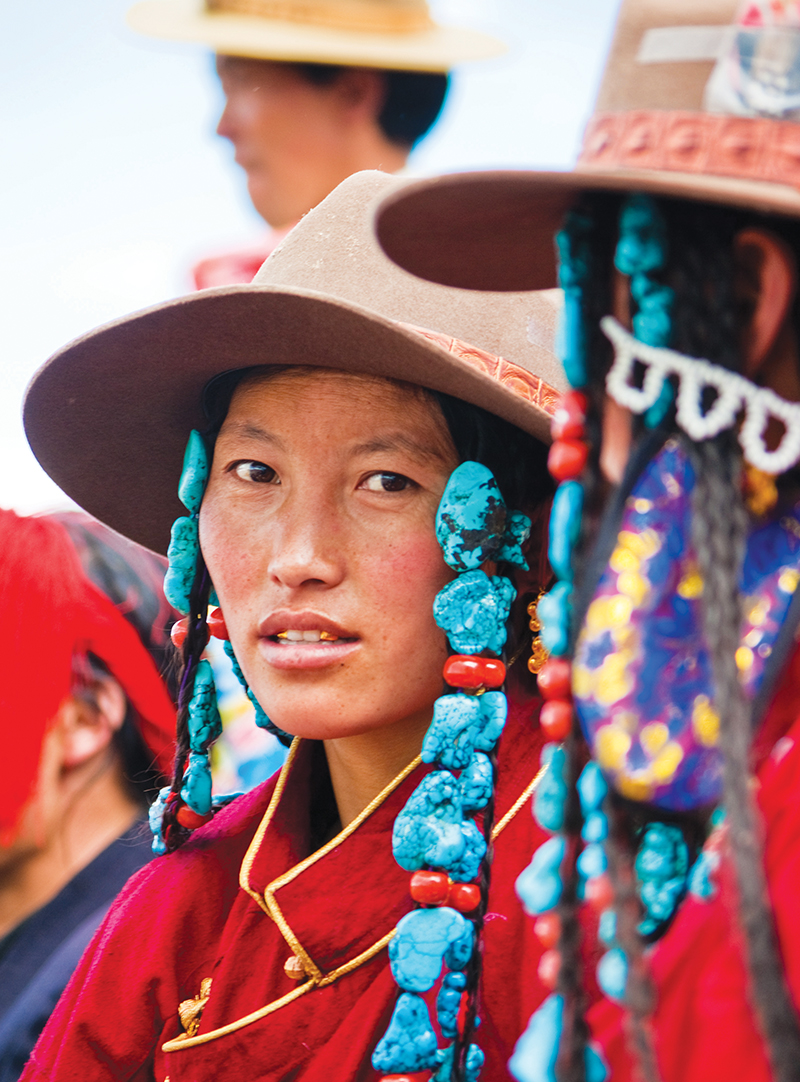
They wear loose Tibetan robes; the women’s bright headscarves catch the sun, and they speak Mandarin fluently. The Gyalrong region, centered in Danba County, Sichuan, is a cultural bridge between Tibet and Han China. Nestled in the warm Dadu River valley, Gyalrong villages have long thrived on farming. The exquisite embroidery on their robes is a living heritage, each stitch the quiet labor of women whose patient artistry has been passed down for generations.

Young women pour their finest skill and youthful devotion into these embroidered headscarves. During the harvest festival, as villagers join hands and dance the Guozhuang in a great circle, a young man may seize the scarf of the girl he admires. If his affection is returned, that scarf becomes a tender token of their shared love.

From April to September, Gyalrong villagers head into the mountains to search for treasures. After a two-hour drive, they shoulder bamboo baskets and hike deep into the 3,000-meter forests to forage for mushrooms. Before entering, they perform a sangsol* offering to greet the mountain gods and pray for safety and abundance.

The cedar branches droop low, forcing adults to bend as they make their way through the forest. They can name every mushroom at their feet, and its price, without hesitation. “The most precious is the lingzhi,” they say. “It grows beside the oak mushroom. Find it, and the year will be a good one.” Though they often return empty-handed, the Gyalrong people keep venturing back into the mountains, still searching for hope among the trees.

* Burning pine and cypress branches as an offering of smoke to the mountain spirits.

Prayer

Heavenly Father, You made the forest the treasure trove of Your creation. Year after year, the Gyalrong people venture into the mountains, seeking lingzhi with care and courage. Yet they do not know that You, far more precious than any treasure, are waiting to be found. May they be drawn by Your beauty and become seekers of the Way, rejoicing when they discover the true gift You have given—Jesus Christ, their Savior. Lord, as Tibetans and Han have long shared deep cultural ties in the Gyalrong, prepare believers who understand both worlds to enter their communities—to live, dance, and celebrate with them, reflecting the radiant beauty of Your kingdom like finely cut diamonds in the light. In the name of Jesus Christ we pray, Amen.

Leaving the Roof of the World

The Ecological Migrants

28Dec

In 1976, the grasslands of northern Tibet grew crowded, and disputes over pasture turned violent. To ease the tension, the government made a bold proposal: move north—into the uninhabited zone. Few dared to go. The area, nearly 5,000 meters above sea level, was considered a realm where life could scarcely survive. But one small village decided to set out.

More than thirty herding families drove their yaks and sheep across the vast, blank space on the map. The wind roared so fiercely it shook their hearts; the stars alone served as their guide. After a month-long trek of 300 kilometers, they finally found a place to settle. Over the next three decades, their outpost gained a name: Shuanghu County—the highest county in China. Roads were eventually built, linking them to the outside world.

Then in 2018 came a second migration. To protect the fragile ecology of the Changtang and safeguard residents’ health, the government launched a large-scale ecological relocation plan, moving 130,000 people from Shuanghu and other high-altitude areas of Nagqu, Ngari, and Shigatse to Sinburi, a new town on the banks of the Yarlung Zangbo River.

Many families were forced to part temporarily: grandparents took the grandchildren first, seeking better schools and hospitals, while younger adults stayed behind to care for the herds. During the transition years, village cooperatives were formed to pool livestock under the care of those who remained, sharing the profits among all.

“What can we do, if not herd?” one villager asked. For these ecological migrants, life after leaving the grasslands—learning new trades and adapting to urban routines—remains an ongoing challenge that calls for understanding and support.

Prayer

Heavenly Father, from the vast open grasslands to the narrow walls of concrete towns, the hearts of ecological migrants hold both joy and sorrow—longing for their herds and homeland, yet anxious about the life before them. Lord, comfort their hearts and help them form warm, caring bonds with their new neighbors. Grant wisdom and gentleness to those who make and carry out policy, that they may discern the needs of the people and plan in ways that bring renewal to both land and community. Raise up followers of Christ to walk alongside these resilient herders—to share life with them, to offer strength and hope, and to lead them toward the true Shepherd, who restores their souls and gives abundant life. In the name of Jesus Christ we pray, Amen.

Where There Are No Roads

The Rangers of the Changtang

29Dec

In Tibetan belief, lakes are the eyes of the gods, mountains their dwelling places, and animals their untroubled neighbors. This reverence for the land, and the gentleness of living in harmony with all creation, has made much of Tibet a refuge for wildlife.

Among these creatures is the Tibetan antelope, slender and graceful, crowned with elegant twin horns. Readers of George Schaller’s Wildlife of the Tibetan Steppe may recall both sorrow and gratitude: sorrow for the slaughter of the past, gratitude for the life that endures. The antelope’s fine underfur, five times thinner than human hair, forms a soft golden fleece coveted by poachers. In the 1990s, some 300,000 were killed, their wool smuggled into the fashion world as luxurious shahtoosh shawls.

In 2015, seventy ranger stations were established across the Changtang, where over three hundred rangers, working with devoted herders, now protect the remaining 50,000 to 70,000 Tibetan antelopes. They patrol the roadless plains on motorbikes, without signal or shelter. Their tents are home, their sleeping bags their beds. Each day brings ice-chipping for water, biting winds, and solitude. Some, like Sonam Dargye and Lobu Yujie, risked their lives to stop the hunters’ bullets.

Now, the rangers say with quiet pride, “The antelopes here no longer fear people.” From afar, the animals pause, lifting their clear eyes toward the guardians who watch over them.

Prayer

Heavenly Father, in places where there are no roads, there are still those who guard Your creation. The rangers of the Changtang watch over the animals, not knowing that You are watching over them. Protect their lives, Lord, and awaken their souls to the joy of Your presence amid the frost and snow. May they behold Your glory in the wonder of creation and walk with You, the Maker of heaven and earth. Lord of all living things, have mercy on this fragile plateau. Restrain the greed and violence of human hearts; raise up wise policies and faithful herders to form a shield of protection. Bless the government to govern like a good shepherd—caring for the people, the land, and the creatures You have made, that all may dwell in peace. In the name of Jesus Christ we pray, Amen.

Midui Glacier, the world’s lowest alpine glacier, sits beside China’s National Highway 318, forming a postcard-perfect view together with Midui Village.

Asia’s Fragile Water Tower

The Guardians at the Edge of the Glaciers

30Dec

Few realize that Tibet nourishes the water sources of billions across China and South Asia. The Yangtze, Yellow, Nu, Mekong, Indus, and Yarlung Zangbo Rivers—all rise from the Tibetan Plateau, sustained by meltwater from some 46,000 glaciers. Yet few realize that the very mountains giving life to these rivers now face a grave crisis of their own.

Between 1960 and 2020, China’s glaciers lost one-fifth of their total area. Ice collapses and flash floods have struck the plateau and the deserts beyond. In 2016, two massive ice avalanches on the southern slopes of the Kunlun Mountains buried herders and their summer pastures. As glacial runoff dwindles, rivers lose their steady flow, and droughts strike each summer. Meanwhile, the thawing of methane trapped in the ice feeds a vicious cycle of warming.

Scientists from China and abroad brave thin air and fierce winds to study the frontlines of these frozen worlds—installing sensors, drilling ice cores, tracing river courses. They’ve built monitoring systems, made artificial snow, even tried “blanketing” glaciers with reflective sheets to slow the melt. Yet the warming outpaces their efforts. Because the speed of retreat cannot be stopped by science alone—the distant melting snow is inseparable from how all humanity lives.

Prayer

Heavenly Father, You spread out the heavens with wisdom and formed all things in love. You placed glaciers on the earth as fountains of living water, and called humankind to tend the garden You made. Today, there are those who labor among the snows, repairing the wounds of the mountains. Protect them, Lord, and reveal Your glory in the cold silence. Grant them strength and wisdom from above to complete the work of their hands. Have mercy, O Lord, on the countless lives sustained by these rivers. Preserve Asia’s great water tower. Guide those in authority to strengthen glacier monitoring, disaster warning, and rescue efforts. Stir hearts to change the ways we live—so that we may care for our neighbors and all creation. In the name of Jesus Christ we pray, Amen.

Today, as the Holy Spirit leads, lift up your own prayer for the Tibetan people.

31Dec

Heavenly Father,

In the name of our Lord Jesus Christ, Amen!