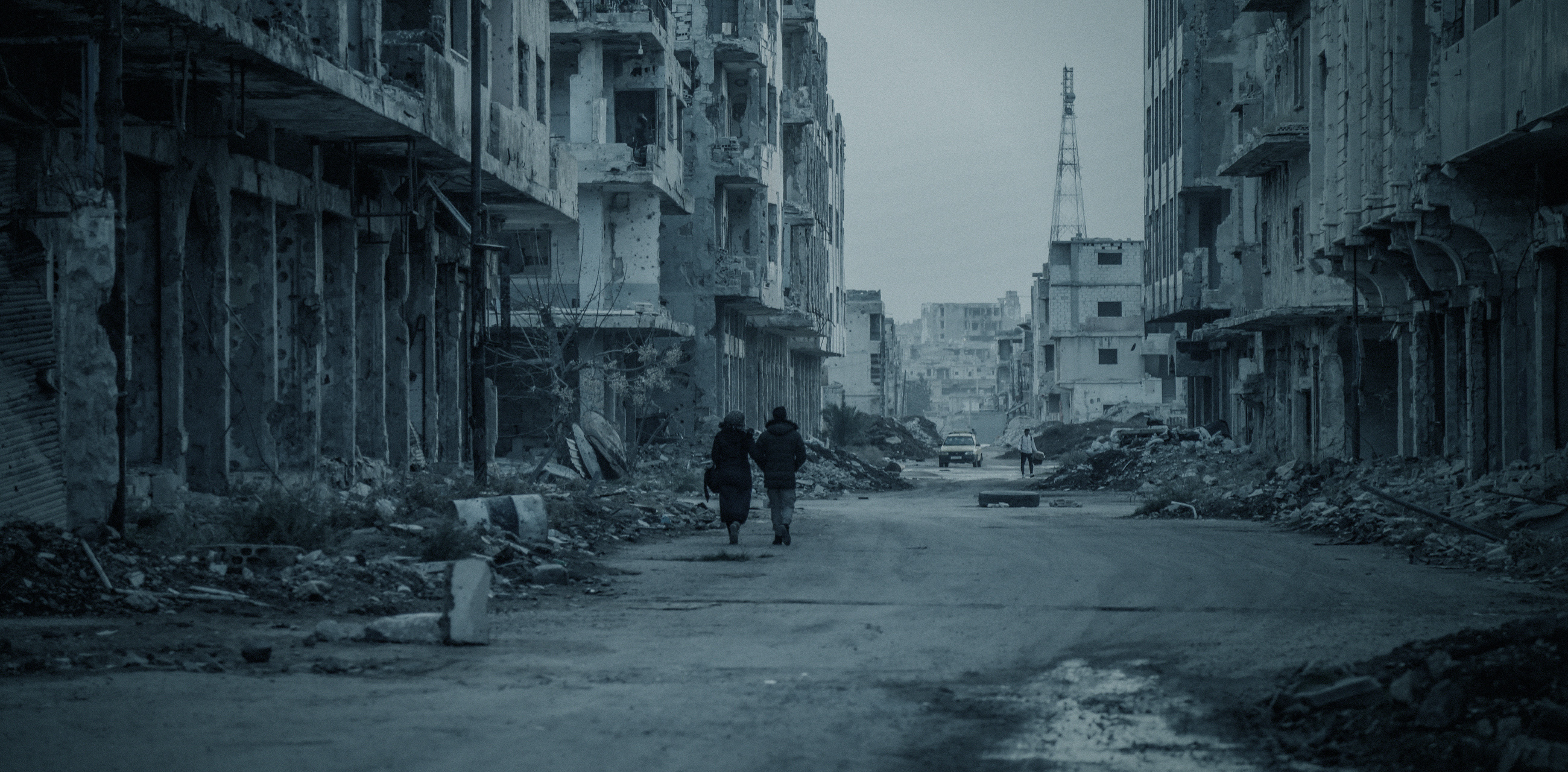
“It was the summer of 1992, in Kulob in the south,” a woman recalled. “They told us to get into the trucks. It was only an inspection, they said. There were no windows in the cargo hold. I held my child and smelled the diesel. When the truck began to move, someone started crying.”

“They were not military vehicles. They were agricultural trucks. Along the way, people were dragged off never to be seen again. No one dared ask, ‘Why him?’” She paused. “That was when I learned that it was not about what you had done. It was about where you had been born.”

In the Tajik Civil War, regional identity proved more deadly than political position. The war killed more than 60,000 people and displaced over one million. The Kulobi faction1 ultimately prevailed, took control of the state, eliminated its opponents, placed its own people throughout the bureaucracy, and suppressed religious activity to prevent any future political mobilization.

“We have lived through hard times, so we must treasure stability.” For the Tajik people, this sentence has become almost like a binding spell. The 1992 civil war became a ghost: an event that cannot be openly discussed or publicly commemorated, drifting in the depths of people’s memory in the form of fear. Since then, politics has no longer been a subject for public conversation. It has become a topic families deliberately avoid.

1 The Kulobi faction later formed the core of what is now the People's Democratic Party of Tajikistan, which remains central to the country's governing structure. It is also the party of President Emomali Rahmon, who has led Tajikistan since 1992 and has served as president since 1994.

Prayer

Heavenly Father, we pray for the Tajik people who cannot sleep, who carry trauma, and who live with a deep fear of politics. Soothe their spirits and heal their wounds. May the Holy Spirit work in the hearts of the Tajik people, giving them discernment to know when silence is necessary and when it is right to stand for the rights that belong to them. For those who are not allowed to speak, may You first listen to their stories. Lord, You know the price Tajikistan has paid for stability. Do not let the government use stability as an excuse to cover injustice. Restore people’s trust in public political life. May the young people born after the war, though they have inherited its fear, have the opportunity to participate in politics. May Tajikistan become a freer and more inclusive country. In the name of Jesus Christ our Lord, Amen.